Project Tour- The Secret Garden

Creating backyard beauty and enjoying it all season long.
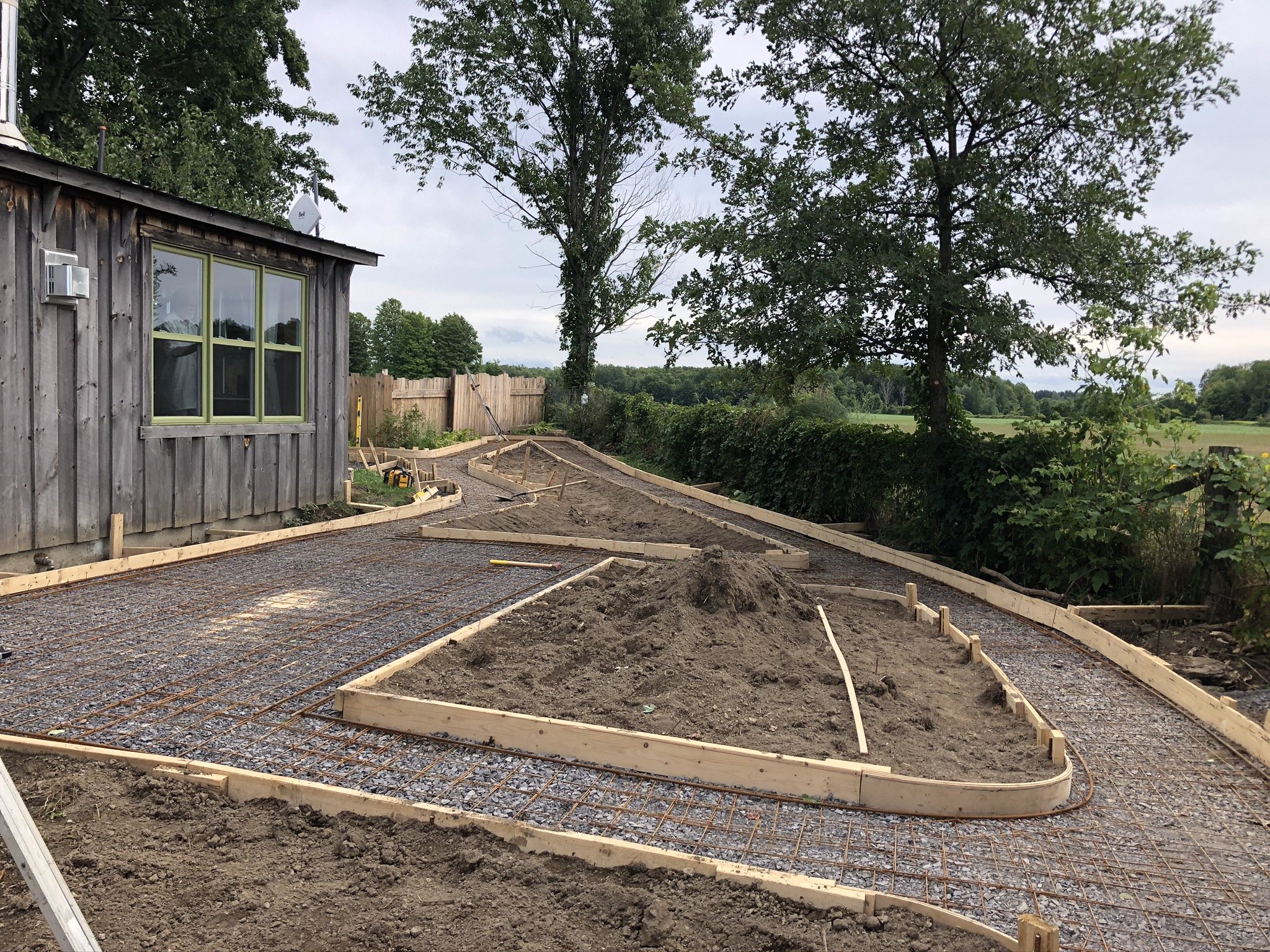
BEFORE & AFTER

The Concept

Somewhere nice and calm to chill out. A secret place of our own “somewhere only we know.” These words describe the client's vision and the spirit of this unique landscaping project .

The Plan

The organic shaped concrete pathways lead you through the backyard, creating a natural and casual landscape. The curves and flowing shapes invite you to continue on the path to discover what lies around the bend.

The pathway concept encourages you to explore and walk around. The path is directly connected to the home’s main entrance, then it branches off into different directions allowing you to take a new route.

The best natural gardens look like they've planted themselves but designing this style of garden requires careful planning. It is especially important to coordinate blooms so that there's interest throughout the season in different areas of the gardens and to make sure that this is done in a way that is most natural.


Considering environment and views

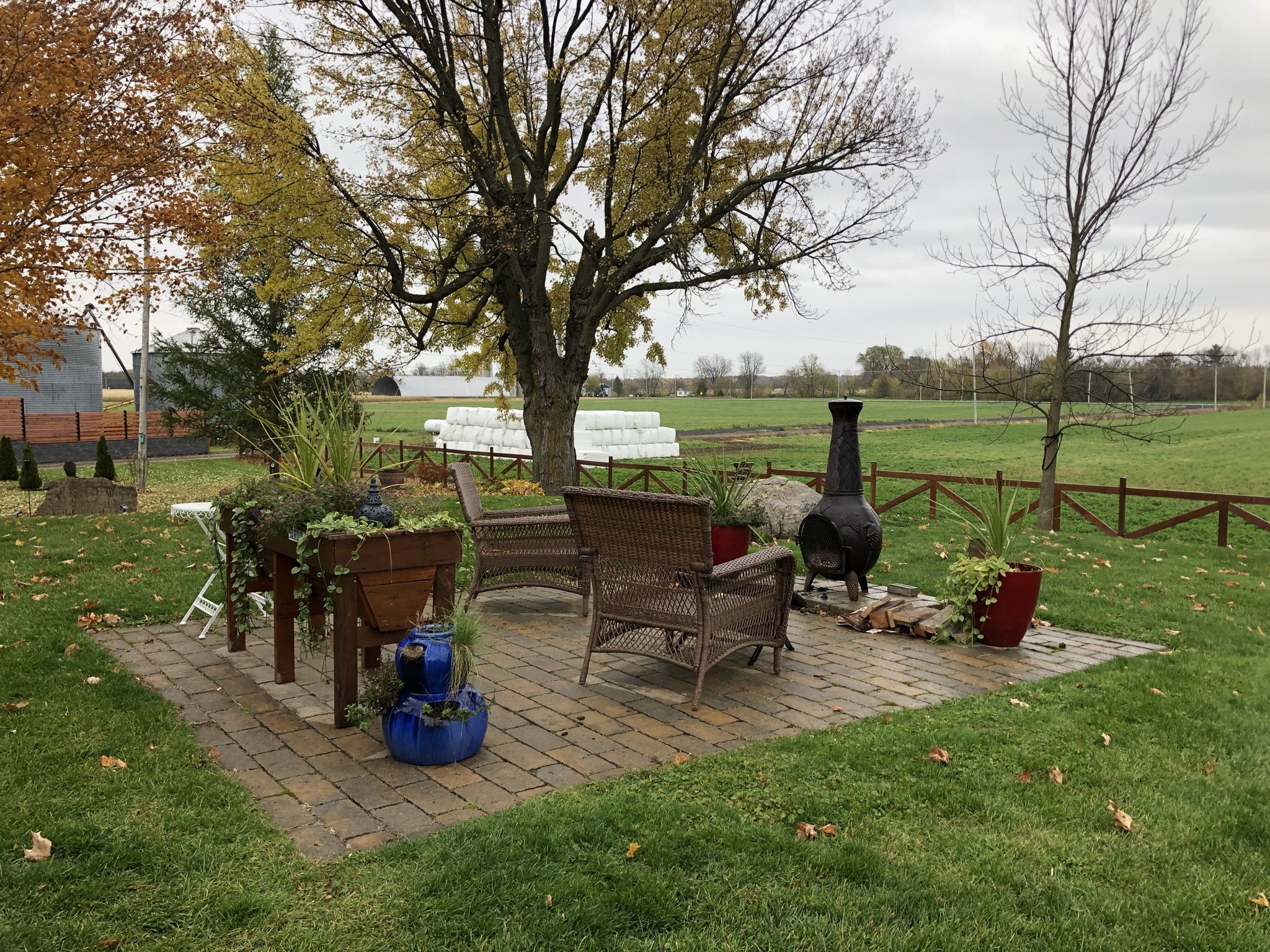
A natural looking fence defines the property and creates a sense of privacy. The entire garden is oriented towards the west, overlooking breathtaking sunset views. Lower plants were installed along the west side of the garden so that there’s nothing obstructing the beautiful country views.

Including features

Unique wood and metal structures have been incorporated throughout the garden. All of these pieces were from the homeowner and already on the property. It was important to have them displayed in the new garden. 


The garden also features a large Spanish inspired dining area centered in the space. A few small benches are tucked in the pathway, inviting you to sit, have a rest and enjoy the blooms along the path.

Find out more about my landscape design services and how to get started creating your own backyard sanctuary.

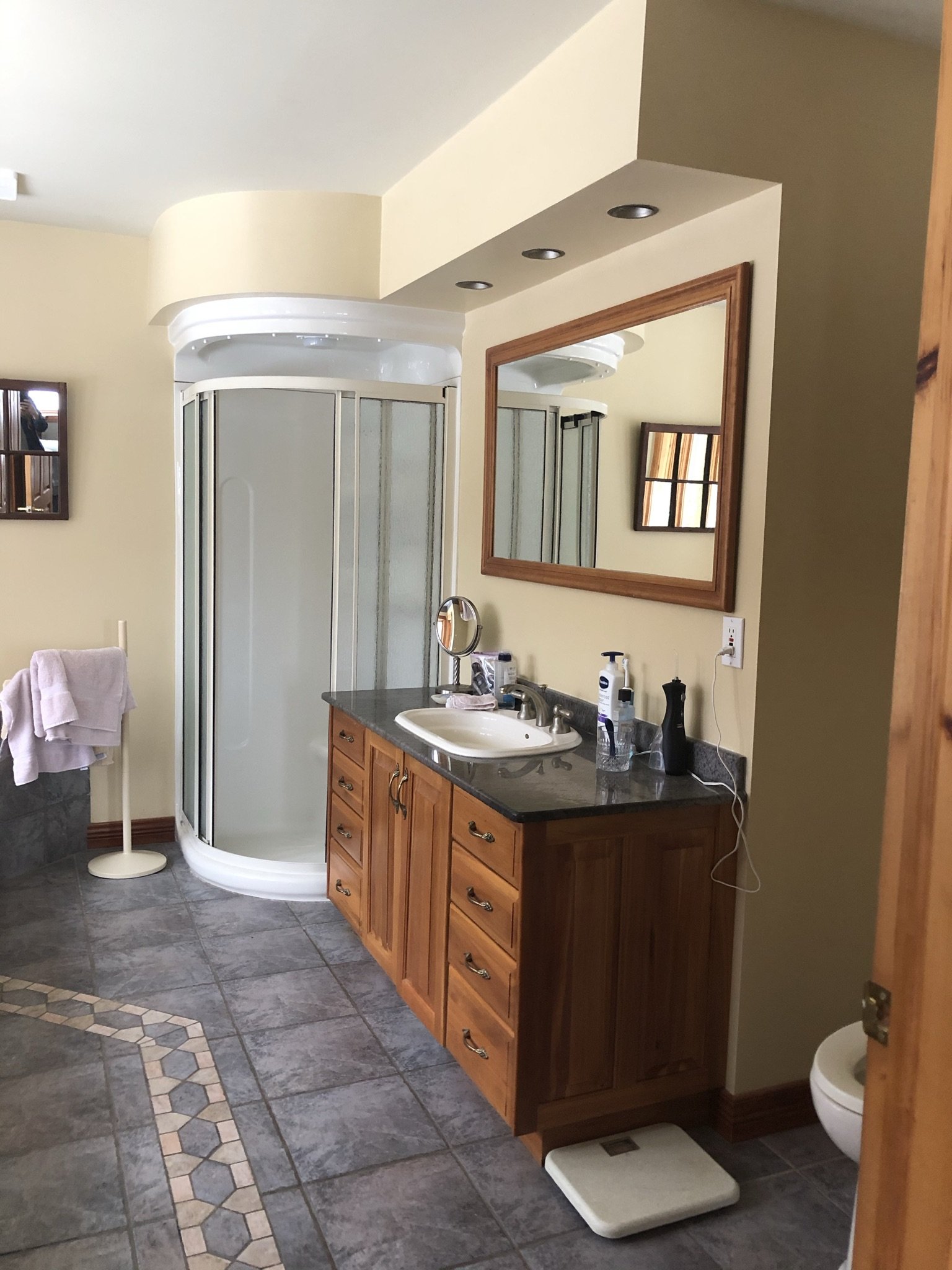
Project Tour- The Classic Ensuite

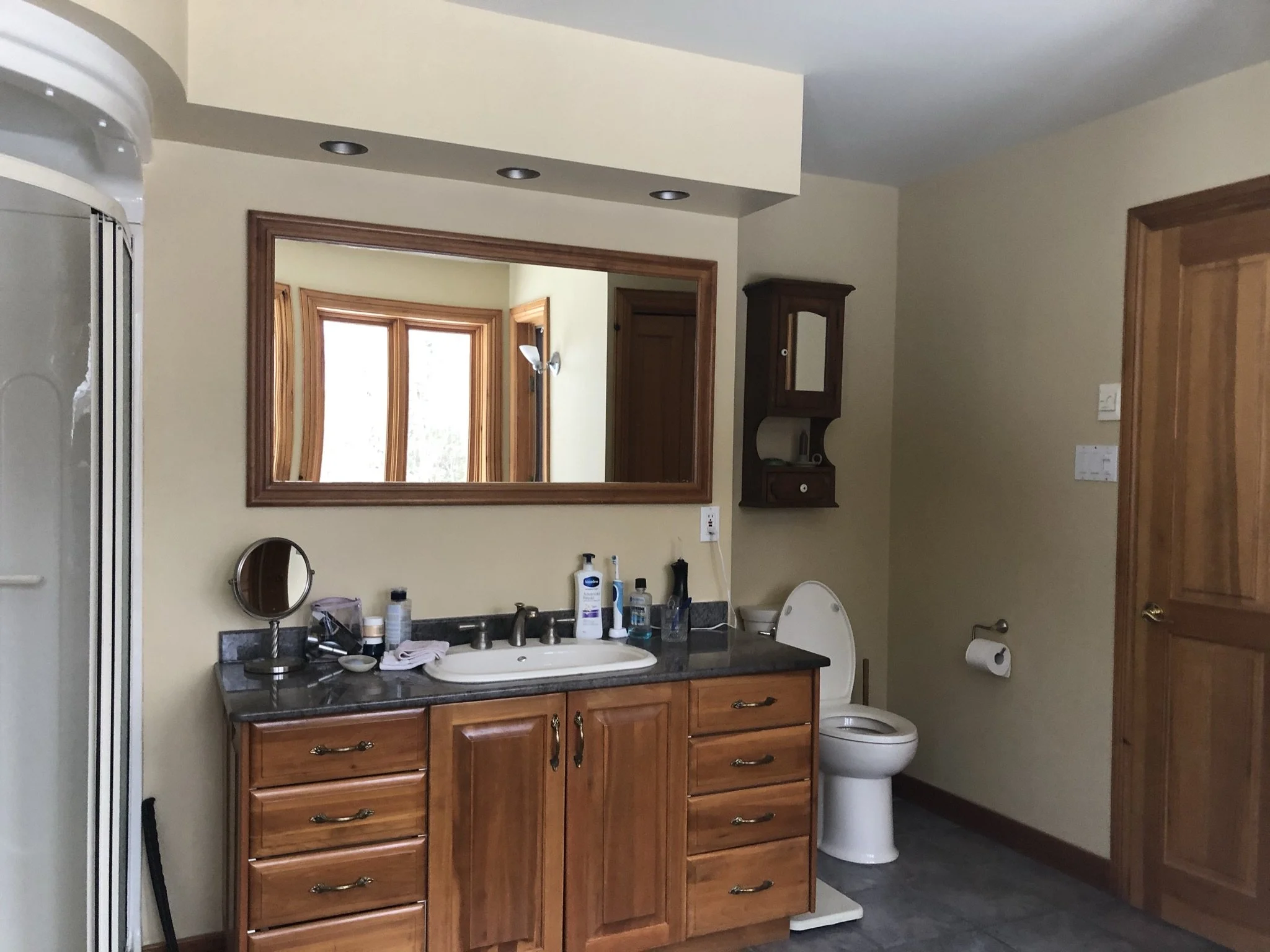
BEFORE & AFTER

A few changes to make life easier. It’s a fresh and timeless new look with a layout that’s functional and more practical. 


Designing bathrooms and kitchen are quite similar. These spaces need to be super functional. Key elements to a bathroom design include a functional layout, good lighting and convenient storage space.

PROJECT GOALS

The room itself is spacious, however the clients needed to make changes. It was a must to have a shower that accommodates a walker/wheelchair for their possible future needs.

A safe and open space to access the shower and the bathroom in general were major points we focused on during the design phase.

DESIGN AND PLANNING

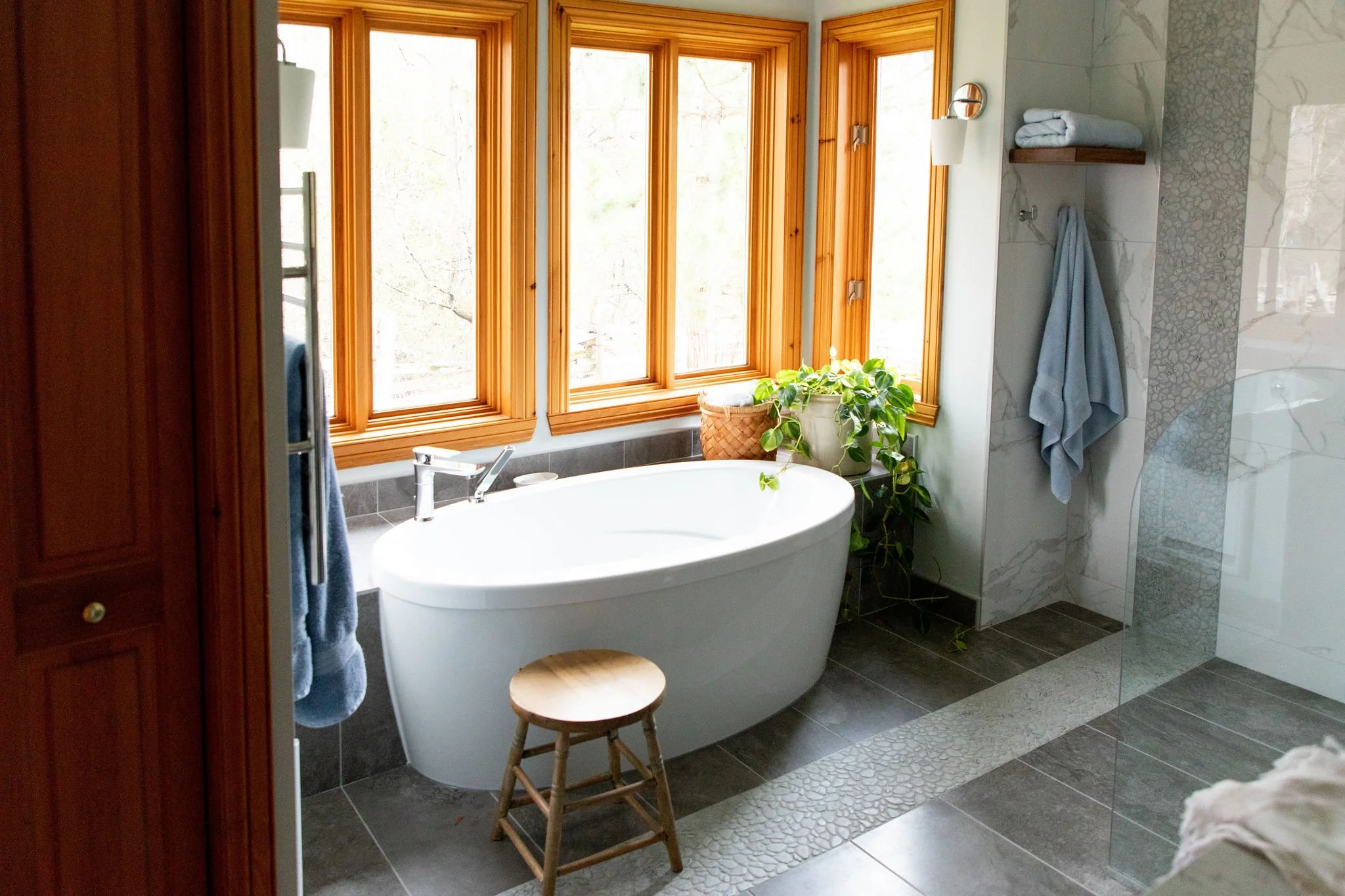
The new bathroom includes a semi freestanding tub, a custom vanity and convenient storage niche above, an open shower with a bench and niche.

It was hard to let go after having a large tub built-in with wall to wall steps but necessary in order to have a new large, open shower. As a compromise, the new freestanding tub was semi built-in along the back wall which allows for space to set a few things down.

Drapes were not needed and not wanted. The bathtub is surrounded by three sides of windows. Viewing out at nothing but forest makes this ensuite feel like such a retreat.

The shower combines a few design elements. The floating bench which is an anti-slip surface allows you to sit and easily access the handheld shower to your right and all of your essentials in the niche to your left. 

The shower is a sloped floor with a linear drain tucked under the bench. A tiled half wall and small piece of curved clear glass keeps the water within the shower, allowing a bright and airy feeling with no obstructions throughout the entire bathroom.

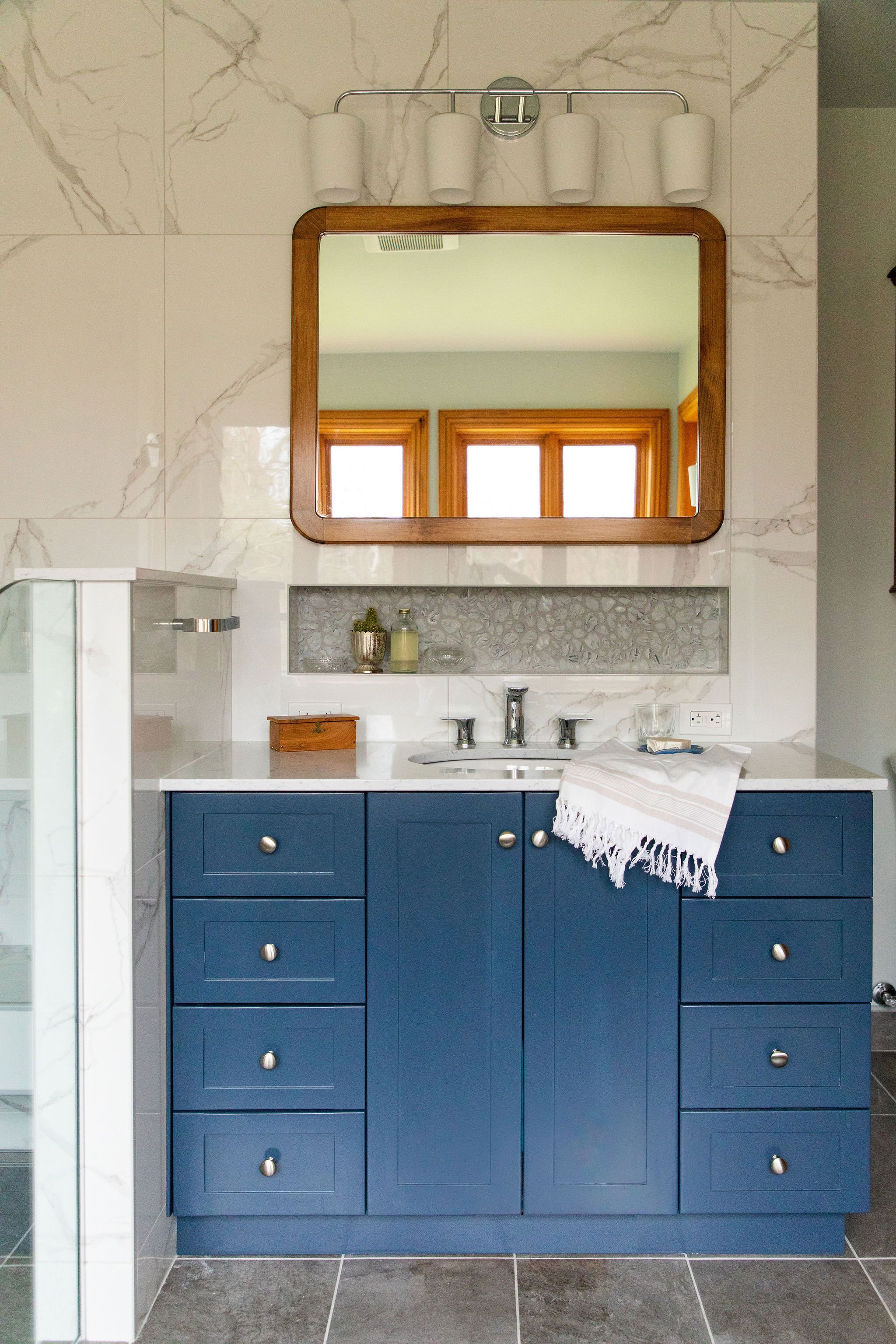
A custom deep blue shaker style vanity was made by a local cabinet maker. The vanity which was designed to have many small drawers is perfect for storing small products. The countertop is a soft veined quartz stone. 

I wanted to incorporate details to make the ensuite feel warm and inviting. The custom made mirror is solid wood and adds a touch of warmth that this new bathroom needed. 

The long niche that divides the vanity and mirror above makes for a convenient spot for those everyday products.

The wood floating shelf was also made by the cabinet maker. Hooks were installed below, making this an efficient space to display and dry towels.

THE MATERIALS AND PERSONAL TOUCHES

All of the fixtures and hardware are chrome, a classic metal finish. For the wall sconces and vanity hardware we went with a traditional style which really adds a sense of elegance to the space. 


Large marble looking tiles cover the shower walls and bench. To balance out the wall tile and give the eye a chance to rest, soft, natural grey tiles were installed on the floor with a mosaic pebble stone detail, uniting the floor and wall tile. 


A soft blue/grey paint covers the remaining walls and ceiling which pairs well with the marble tiles and creates a calming atmosphere.


Find out more about my design services and how to get started with your bathroom renovation.

Kitchen Design Tips With Nutrition L'Ecuyer

Often we say that the kitchen is the heart of the home. So much of our daily lives happen right in our kitchens, from family discussions to cooking daily meals, to entertaining friends and family. 
The way we set up, display and arrange functional and decorative pieces can all make a difference in the way we feel about our kitchen.


Kim from Nutrition L'Ecuyer is joining me to share her favorite ways to set up your space in practical and functional ways that will not only keep you organized in the kitchen, but also inspire you to create your best meals. 

Kim is a Registered Holistic Nutrition consultant who's passionate about food, health and prevention. Teaching clients to love the foods that will love them back is her motto and her purpose.  

Keep reading to discover our best tips...

KIM'S TIP: Keep a jar of spoons handy for tasting

Learning to love the foods that will love you back means working at making your healthy food delicious. That means tasting your creations often and tweaking the seasonings until you get it just right. 

I like to keep a jar of spoons on the counter near my cooking area so that I can taste my creations without double dipping.

KIM'S TIP: Jot down those delicious creations

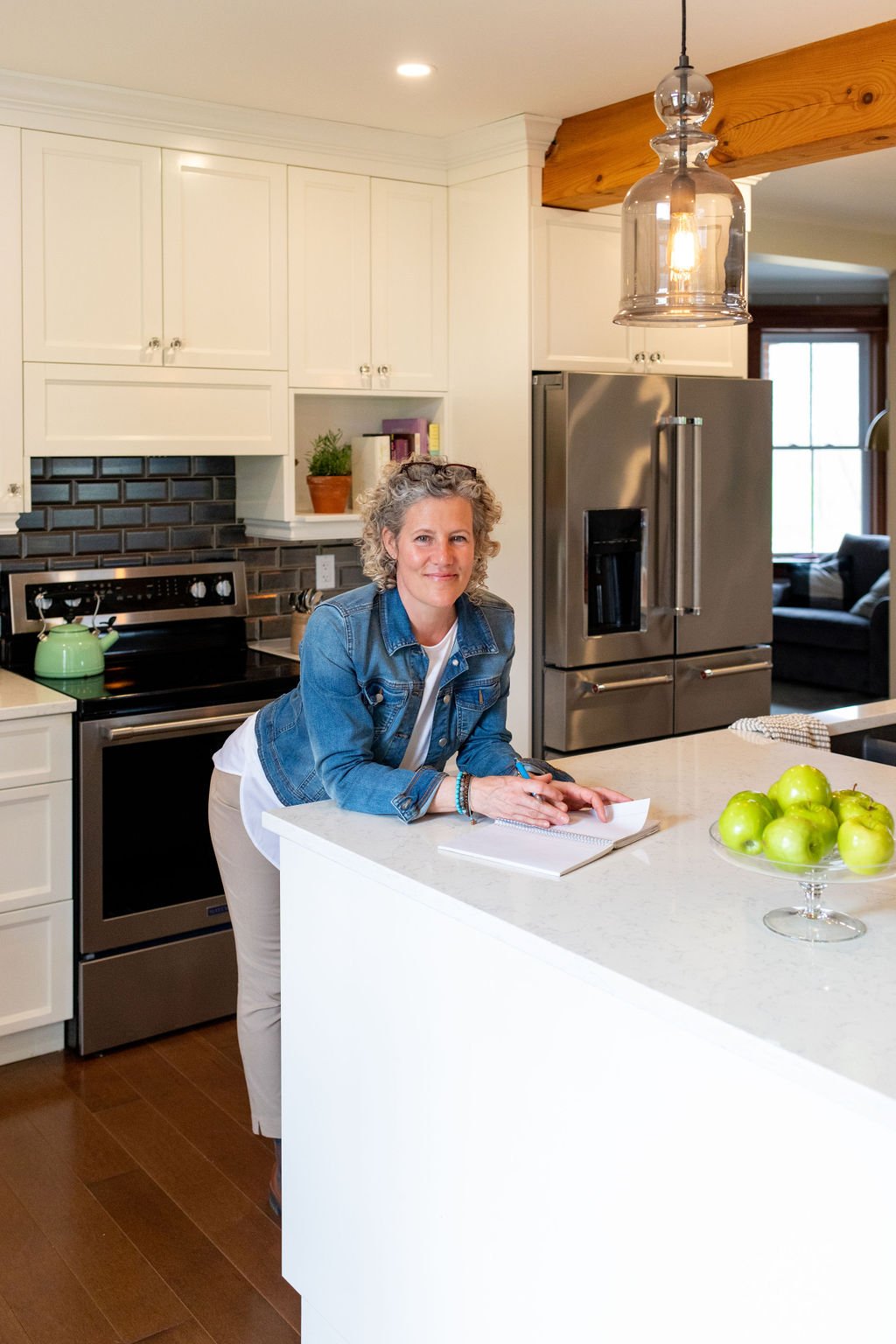
I like to keep a spiral notebook near my cooking area so that I can jot down any inspiration that I get from cooking shows, Instagram or magazines. 


I also like to keep notes on especially great meals and menus that I’ve created so that I can turn to my scribbles when I'm not feeling especially inspired.

KIM'S TIP: Keep good markers and labels handy

Making your own healthy food must be doable and sustainable. For most folks that means batch cooking. 

It’s just as easy to make a double or triple batch of something (in the spirit of squirreling some away for later) as it is to make a single portion. 

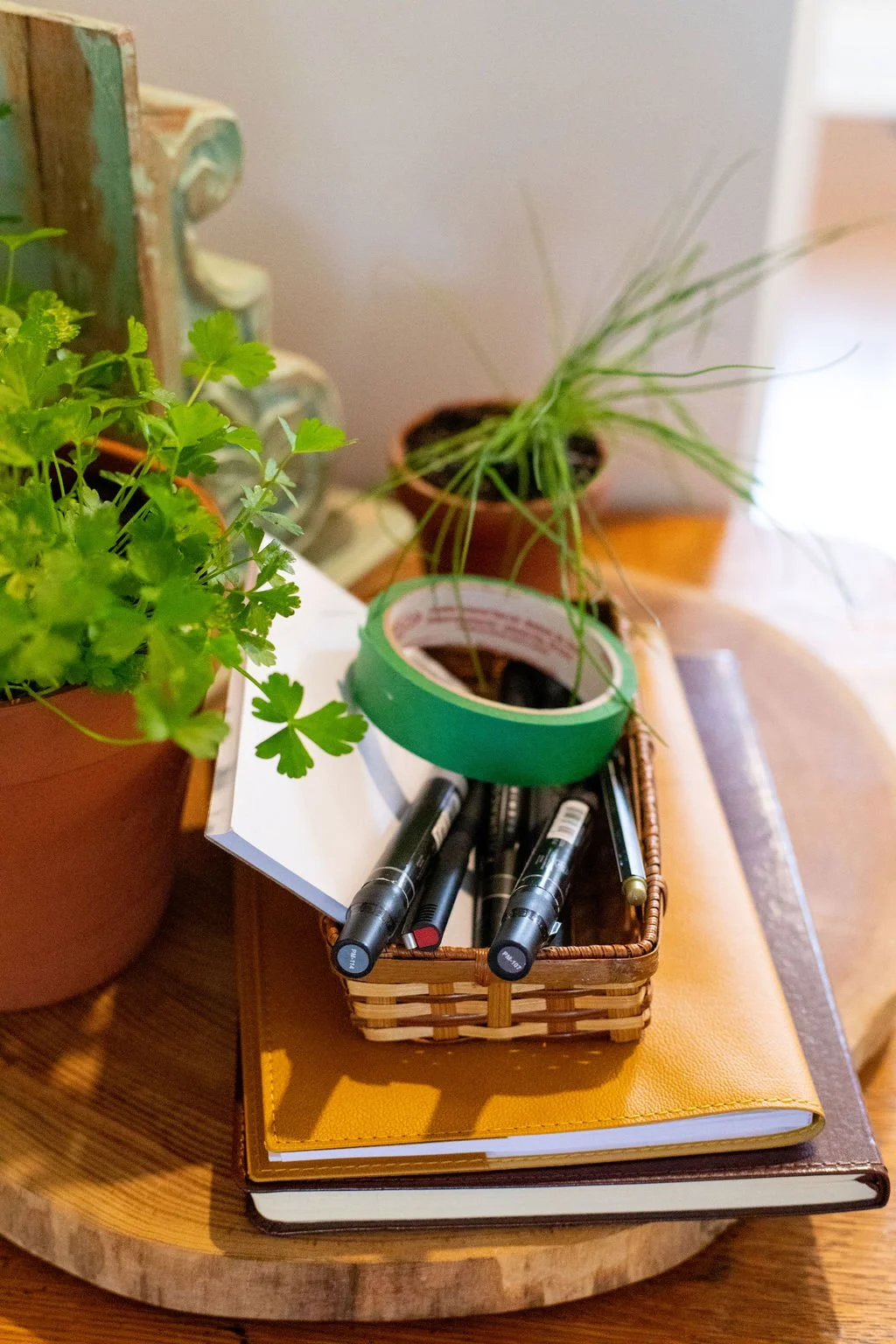
Make sure you always have plenty of containers, sticky labels and markers handy to clearly identify your delicious creations that are bound for the deep-freeze. Green painting tape works great and is easy to remove.

ANIKA'S TIP: Create a place of inspiration


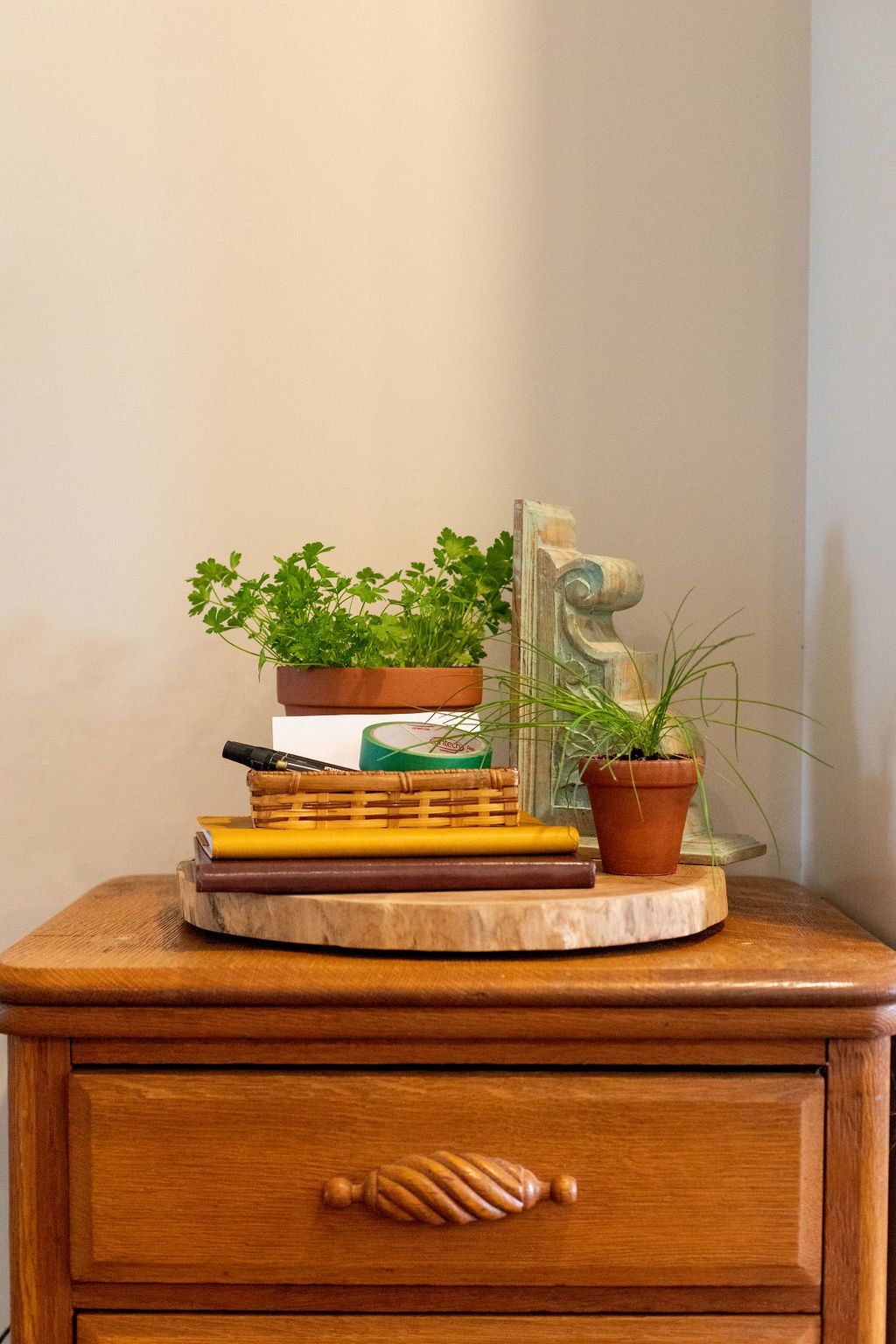
Potted herbs displayed in your kitchen add a touch of life to your space and it also can inspire your meals.

Display your favorite cookbooks on your counter, in a open shelf or pick a favorite family recipe and have it framed and displayed on your counter as part of your decoration.

ANIKA'S TIP: Keep counters clean and simple


When decorating your counters it's important to remember less is more. Display everyday staples on your counter in canisters.

Everyday items such as oil, salt and paper and butter can be corralled in a tray. Having all your go-to items together clears up the counters, making your kitchen look clean and inviting.

ANIKA'S TIP: Select Natural & easy to clean materials


A separative hand towel and tea towel should be placed in a convenient spot. I recommend linen, a beautiful natural material that's highly durable, stain resistant and also dries quickly. Cotton is also a great absorbent material that leaves little lint behind.

A small runner centered on the floor can be a great final touch. An easy to clean material is a must! A runner adds a decorative and personal element to your kitchen, completing the space and making it feel yours.


Designing your kitchen is personal. I think that it's important to test and figure out what works best for you, the way you use your space. Always remember to make it feel like home, whatever that means to you.

I hope these tips from Kim and I can help you set up your kitchen in a way that's thoughtful and that can make your life easier, and also most importantly, that can inspire you to create your best meals.


Nutrition L'Ecuyer


Holistic nutrition: Eating for your mind, body and soul. Discover more about Kim’s natural approach to nutrition and her consultation services.

Project Tour- The Rustic Plunge Pool Retreat

Combining stone, wood, water & fire to create a relaxing and natural retreat right at home.

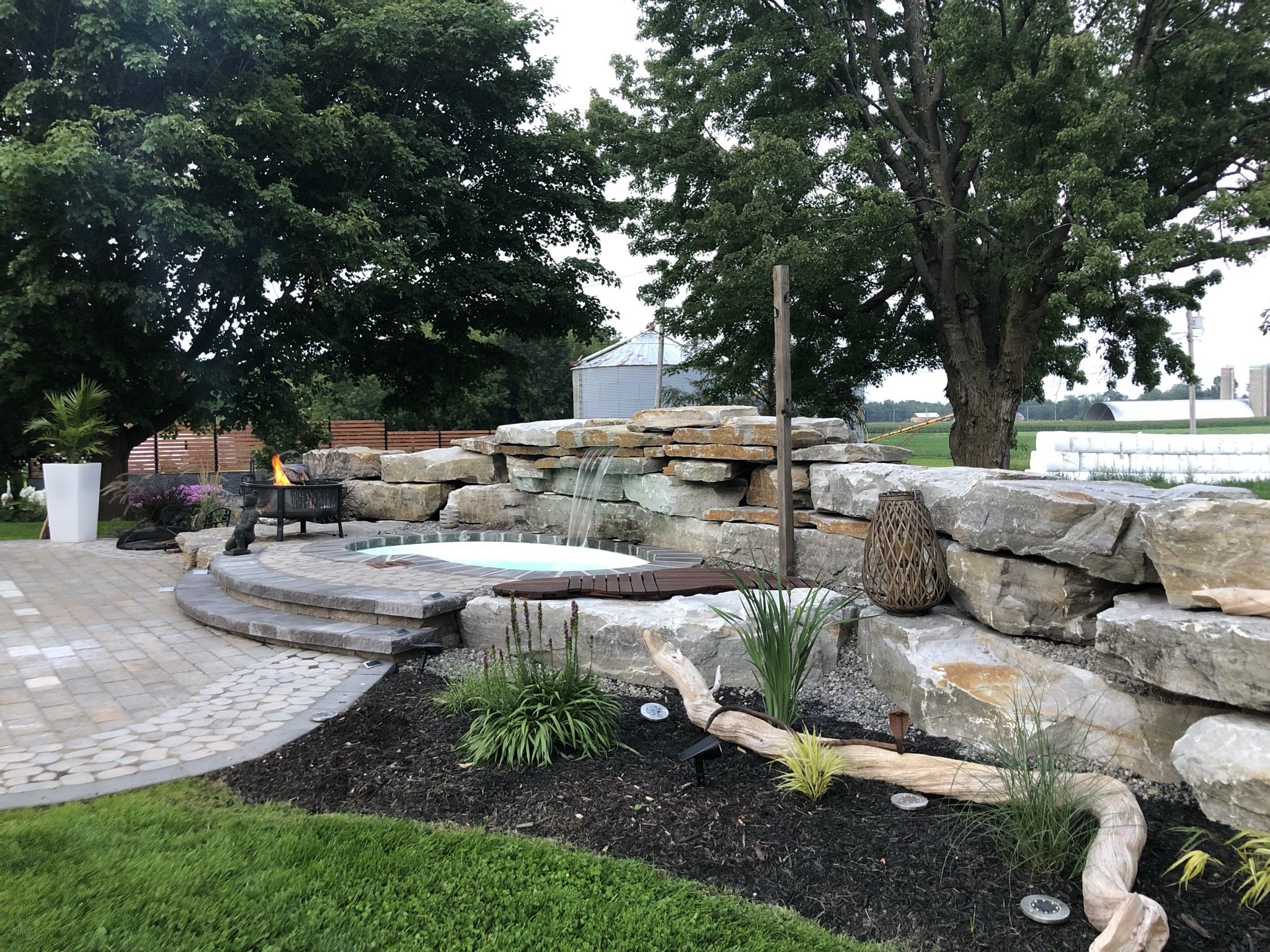
Before & After

The concept

Expansive backyard transforms into a defined private retreat. The client’s dream, a plunge pool and waterfall feature. They requested a design with no “sharp edges” for the patio, planting beds and stone wall.

Organic shapes were used to create smooth transitions between the grass and patio. The plunge pool itself is kidney shaped, contoured by paver steps that follow the curve. Planting beds were added on each side of the pool to soften the look of the stone, also adding texture and color to the space.

Considering environment and views

Creating a sense of privacy was key for the large open backyard that overlooks 360 views of pasture. The natural stone waterfall also acts as a privacy wall which helps to set the atmosphere.

Including features

A serene waterfall has relaxing and rejuvenating effects. When stepping out of the house the soothing sound of the streaming water starts to set the tone for the backyard experience that has been created.

The waterfall itself brings life and movement to the pool, creating an inviting atmosphere whether you are relaxing in the pool or lounging beside.

Lighting has also been incorporated into the design. The combination of functional and decorative lighting highlights the space, making it possible to enjoy the pool during the evenings.

This backyard is truly a retreat right at home. Great for relaxing evenings and weekends with family, enjoyed throughout the season.


Find out more about my landscape design services and how to get started with your backyard project

The Right Lighting For Your Space

Lighting plays a big part in your home’s design. Having the right lighting for your space can make an impact on the overall design of your home. 

Lighting also affects us on a deeper level too. The wrong lighting can affect our mood and nervous system.

There’s a few different elements to look for when choosing the right lights from the type of lighting to the color temperature of the lights. Let’s go over everything.

Lighting can be split into three main categories: general lighting, task lighting and accent lighting. Layering all three of these types of lighting will create a properly lit space.

Here’s a breakdown of each category:

general/ambiant lighting

General or ambient lighting will light up an entire space and it’s usually the main lights you use to light up a space. Recessed pot lights are often used for general lighting. Track lights or semi flush mount fixtures are also used.


task lighting

Task lighting is used for more specific purposes and it helps you reduce stains on your eyes. Task lighting is especially important in the kitchen and bathroom.

In the kitchen, under cabinet lighting can be installed to provide more light on the counter for preparing food. In the bathroom, wall mounted sconces on each side of the mirror will highlight your face and eliminate shadows.


accent lighting

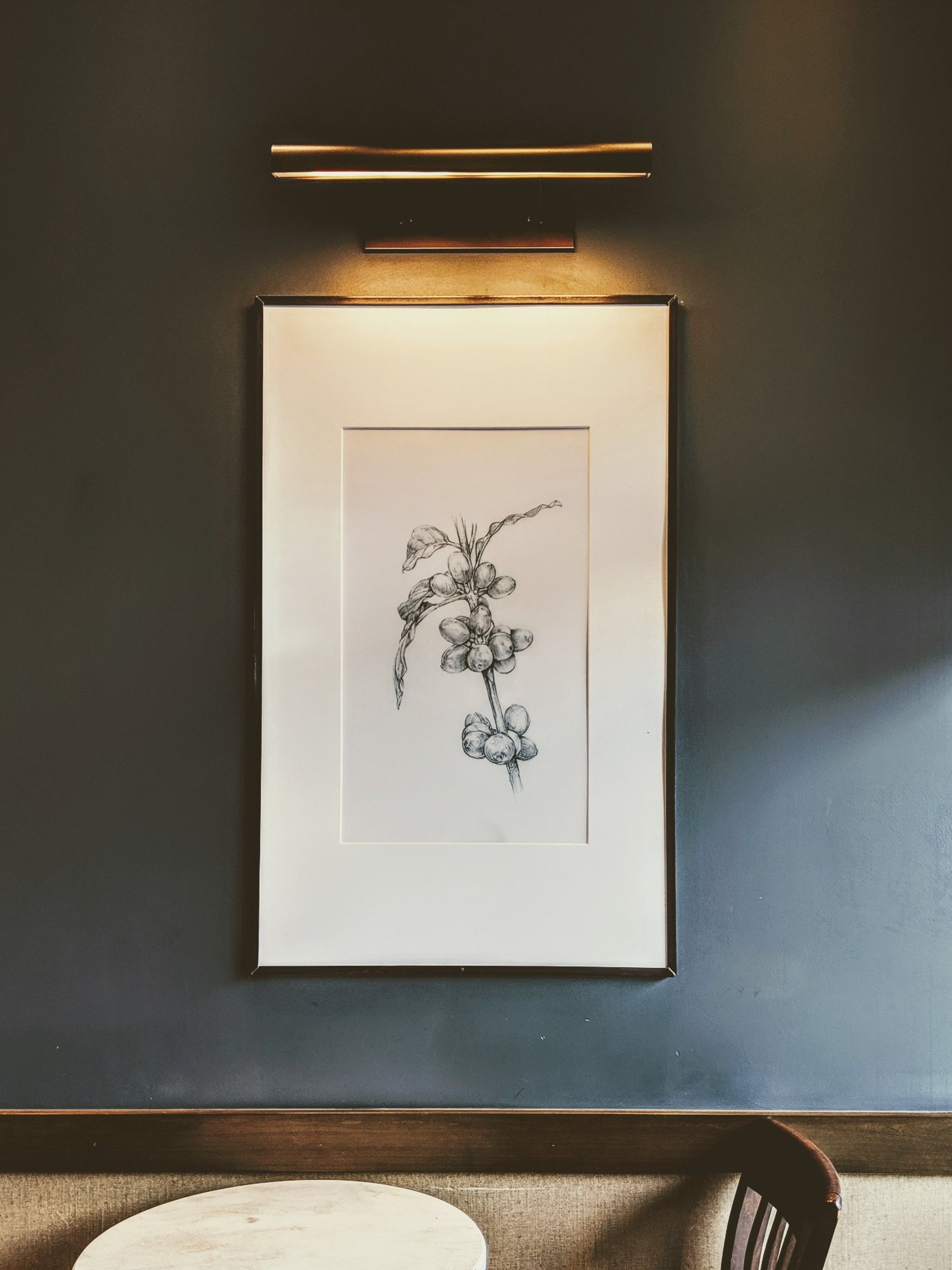
Accent lighting is used for decorative purposes unlike general and task lighting. Accent lighting adds style to a space and creates an atmosphere. Spotlights shining on your library will create a relaxing mood. A simple picture light will showcase a piece of artwork on your wall.

Dimmers

Using a dimmer can change the atmosphere of a room as well. Depending on the time of day, what you are using the space for and what mood you want to create, the time of lighting you want to achieve might vary from room to room. A dimmer switch will allow you to adjust the amount of lighting you want. 


Lighting Color

Lastly, you must consider the lighting color. If bright lights have ever bothered your eyes you'll want to keep reading.

Color temperature is measured in kelvins and white lights fall into three main categories: Warm light, neural light and cool light. 

1500K to 3500K is what I always recommend for the lighting temperature in your home. A soft, warm light to a neutral standard white light for general lighting is the perfect range to stay in. Color temperatures that range from 4100K to 5100K give a bright white and cooler light which can create the wrong atmosphere in your home.


The goal with lighting is to make your home comfortable, safe and functional. A certain feeling can also be created with lighting and by layering the three types of lighting, using dimmers where needed and understanding lighting colors you can create a beautiful lighting design in your home. 


Get lighting right

For more information and guidance with lighting your space:

Your Guide To Choosing Solid Wood Flooring For Your Home

Solid wood is always the type of flooring I recommend using in your home. Engineered wood can also be a great alternative since it’s almost identical to solid wood except it’s made with a thin layer of solid wood on top, bonded with plywood.

You can never go wrong with a natural material that will stand the test of time. 

Wood flooring is such a versatile material and it’s more durable than other types of flooring like laminate, and it can be refinished for years of use. Wood flooring comes in a wide range of styles, sizes, finishes, species and colors. There’s many factors to consider when choosing the right flooring for your space.

To start, let’s go over the different colors/tones of wood flooring.


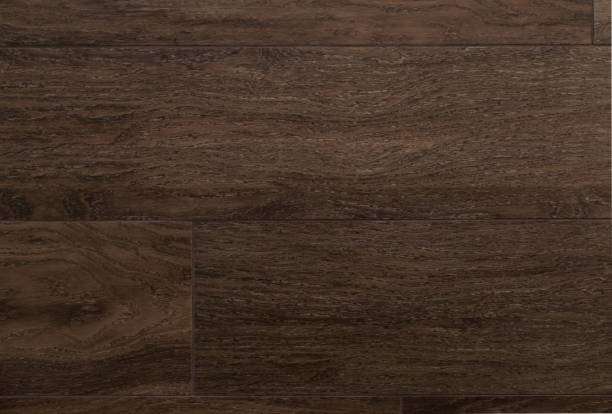
DARK WOOD FLOORS

Dark wood floors can look more formal and classic because it creates a big contrast with the room. If you are set on installing dark hardwood I recommend applying a matte finish so that your flooring will feel more natural. Light reflects off of shiny surfaces so with matte finish your space will be more calming and relaxing.


LIGHT WOOD FLOORS

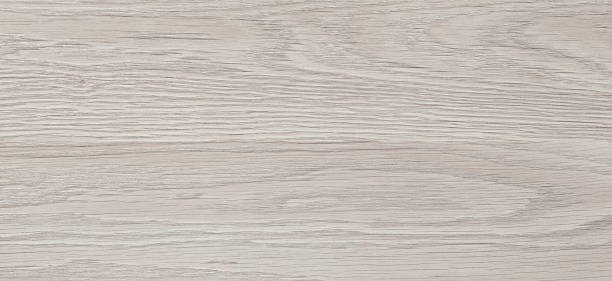
I hope light wood doesn't make you think of yellowish 1980’s flooring! There are many beautiful light wood choices that will not give off a yellow tone. Grey/blonde floors will create a casual look in your home and also keep your space feeling light and bright.


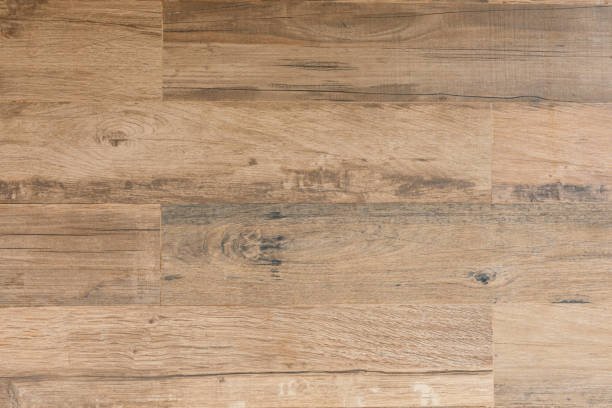
MEDIUM WOOD FLOORS

Medium tones are a safe choice because it doesn't dominate a space like dark wood floors and doesn’t feel too modern & trendy. Medium wood flooring colors feel cozy and works well with most furniture. If you have a lot of traffic in your home this is the right color choice for you.


GREY WOOD FLOORS

Grey wood flooring is a newer look and it can be a lot less intense than other options I've mentioned. I always avoid cool grey tones and instead I recommend selecting a grey color that has a warm undertone to create a pale, neutral backdrop in your home without the space feeling cold.


Wood flooring is a beautiful natural material that can last a lifetime. Carefully consider the color of flooring you choose for your home and enjoy for the years to come!


Need help selecting flooring?

Book an in-house consultation.

Project Tour- The Retro Inspired Bathroom

Before and after

Same space and same square footage, but a completely new layout and look!

Patterned ceramic floors define the aesthetic of this space while the classic white subway tiles along the shower and tub wall keep the space bright and open while protecting the wall from water.


The project goals

The goal for this bathroom renovation was to make the most out of the space available and to have all that was on the clients wish list included in the space in a way that looked meant to be.

A functional bathroom in a “small” space requires creativity and thoughtful decision making. I believe a bathroom needs to be highly functional but I also know it can be beautiful. The layout and the finishes are all elements that we paid close attention to because all of the details really do matter.

The design & planning

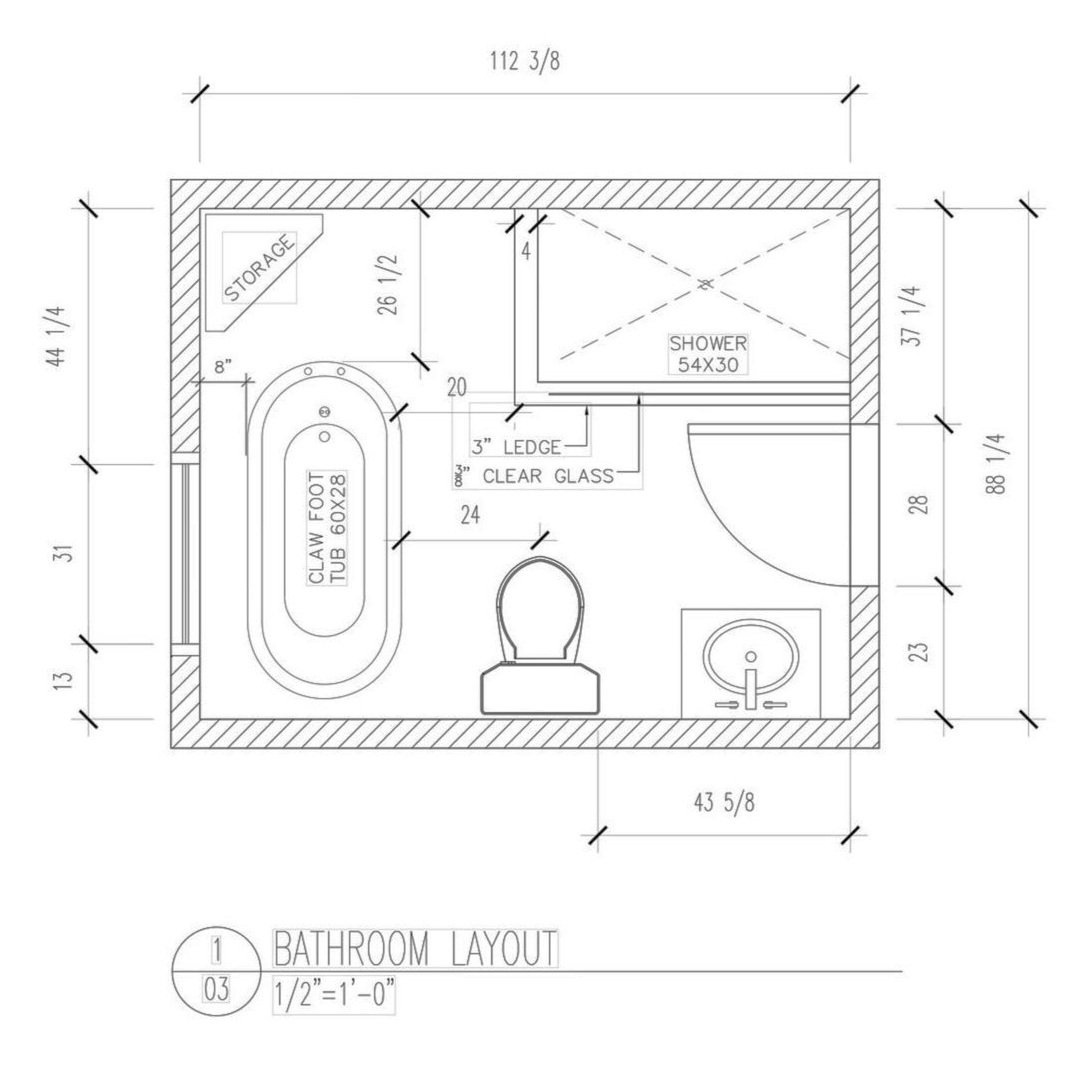
Careful planning went into creating a layout that allowed for a clawfoot tub, toilet, vanity, walk-in shower and storage cabinet (see bathroom layout above).

Although the space is not large, this timeless black and white bathroom is both beautiful and functional.

The materials & personal touches

A seamless section of glass divides the shower from the simple vanity and toilet.

The glass was an important material in this project because it creates a feeling that the space is much larger. The restored white classic clawfoot tub was positioned under the window, allowing access to the doorless shower.

The homeowner found an old door and wanted to find a way to use in the space so she worked with a local artisan and had a piece of antique etched glass installed in the door, creating a privacy panel. The elegant panel now hangs on the bottom half of the window, providing privacy without blocking any natural light.

Find out more about my design services and get started with your bathroom renovation:

Top 5 Interior Design Finishes For Your Home

The best homes feel relaxed, laid back and effortless. These types of homes are always made up of humble materials which makes spaces feel lived-in.

Interior finishes are the materials that are fixed in place and they are the materials that set the tone for the rest of your home and although we have many options available to use today, but I believe there’s only a handful of timeless materials. 

Below I go over 5 high quality and timeless materials that are worth investing in.

1. wood paneling

An alternative to drywall (which is a material that is most commonly used for finishing walls and ceiling) is wood paneling. This wall and ceiling finish adds character to a space. For a simple look select a straight cut style. If you would like a more detailed look then go with a v-grooved planks. 

Wood boards can be installed on your walls and your flat or vaulted ceilings. If you wish to have more of a visual break for your eyes you can mix pine board walls with a drywall ceiling for example, or vice versa. See images above. 

After installation, the wood can be painted. I usually recommend an off-white or light paint color to keep your space bright and fresh. Your walls and ceilings can all be painted the same color and finish, then moldings can be painted in a pearl or satin finish to create a slight contrast in your space.

2. Hardwood Flooring

Hardwood flooring is a classic material that has been used in homes long before our time and will continue to be used. 

This material can be installed throughout your home. Hardwood floors are an initial investment, however it can last a lifetime. Wood also looks beautiful as it ages.

The finish I always lean towards is matte. This is the finish that will make the floors look most natural. A matte finish feels calming and compared to a glossy finish it doesn’t bounce light around in a room.

3. Stone Tile

Other than hardwood flooring, stone may be the only other material that can work in any room of your house as flooring. Since ceramic or porcelain tiles are durable and easy to clean it’s most often used in high traffic and wet areas such as entry ways/mudrooms, bathrooms and the kitchen.

Tile can be installed on walls too. It’s commonly used in bathrooms and as kitchen backsplashes.

There’s endless ways to finish your home with tile. The tiles come in different shapes and sizes, they can be printed or embossed and you can mix and match to create custom accents within a tiled space.

When possible, I recommend installing an under floor radiant heating system to add comfort to your tiled floors.

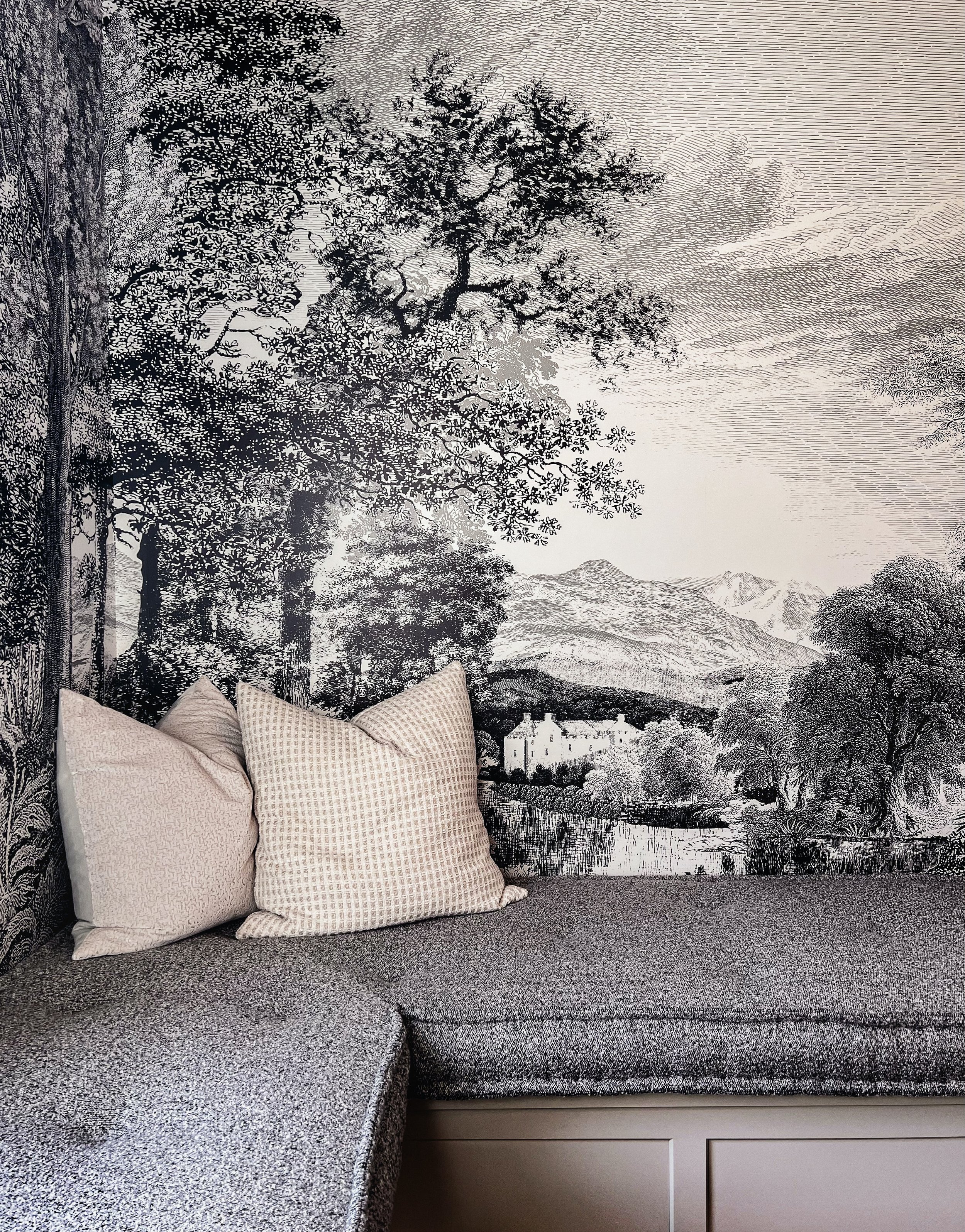
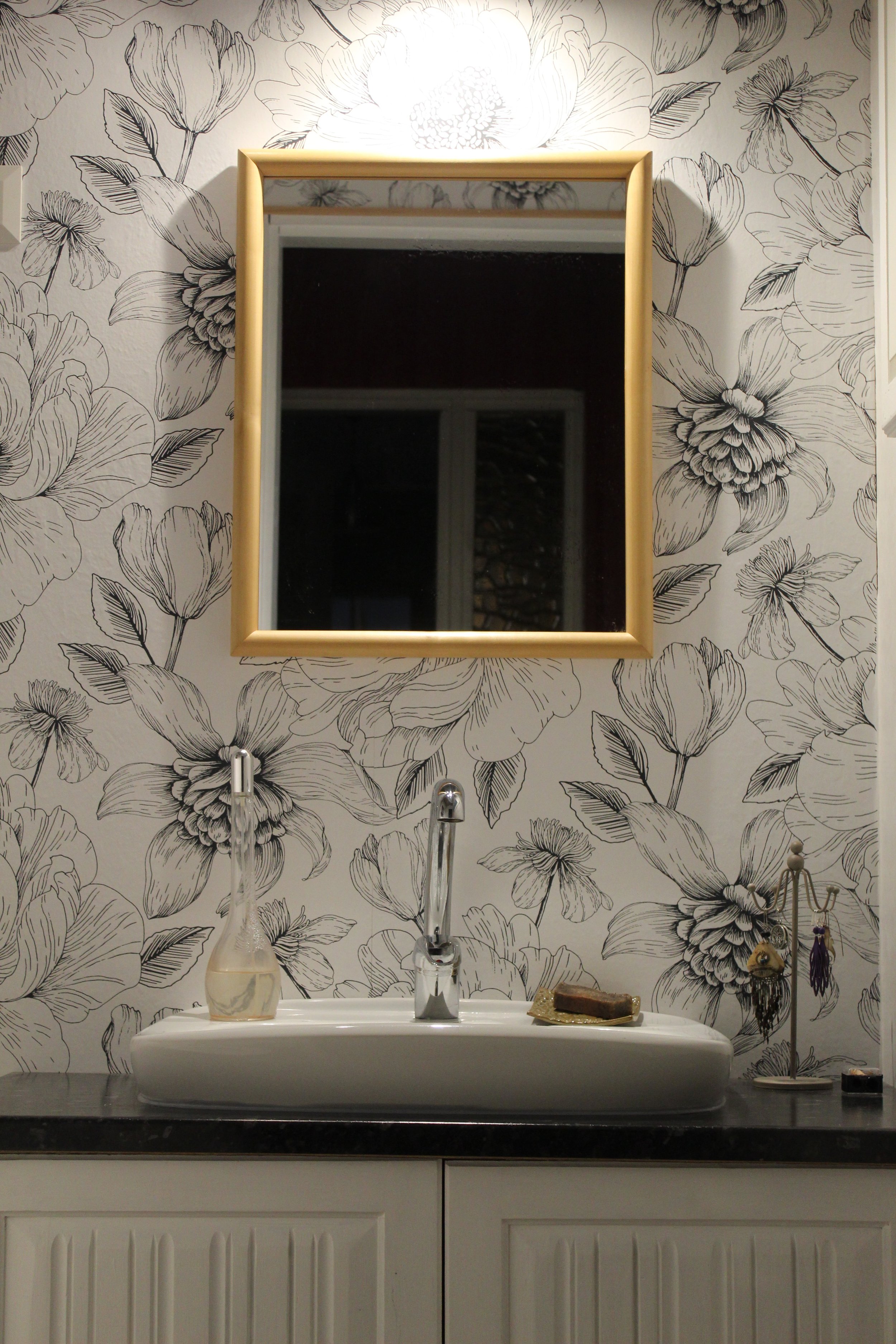
4. Wallpaper

This one is controversial… but I do think that wallpaper can be used in your home!

I always suggest completely covering all of your walls. Never just create one accent wall with wallpaper. That being said, you can wallpaper a ceiling to add drama to a space.

Make sure to add a molding to hide the wallpaper lines along the edge of the walls and ceiling, which will create a finished look. The best rooms to wallpaper are a small powder room, a closet or your foyer if it's a closed space.

5. Stone Countertops

Stone countertops bring a sense of elegance and natural beauty to a space. 

For your kitchen and bathroom countertops the best option is a natural stone such as granite, marble or soapstone. Quartz is an engineered stone that is also very durable and it’s a great option that will be long lasting. 


When choosing finishes for your renovation or new built project remember to think long term. Natural and quality materials are always best. 


Need help selecting materials?

Contact me to learn more about my services an how I can help with selecting the right materials for your space.

Self-Care: 3 At-Home Tips

We can all make subtle changes within our homes to make self-care a regular practice by creating a space away from distractions where we can unwind and relax.

Consider how you like to relax. It might be by cooking, taking a long bath, exercising, reading, painting etc.

Keep reading to find out the 3 at-home tips.

Creating a space for quiet time

A space away from noise and chaos where you can enjoy quiet time. This space is usually used in the early mornings or in the evenings and can be integrated almost anywhere in your home.

Being quiet can allow you to have a thought, an idea, an inspiration, or a reflection come your way.

 A comfy armchair with a side table and scented candle can be a simple way to create a space to leave you feeling rejuvenated.

Creating a space for your hobby

What is a hobby of yours? 

A place for you to be creative is so important, especially during the winter months when we are all spending less time outdoors. Creating a happy and functional space in your home for an activity such as baking, sewing, painting, writing, crafts, yoga, etc. is really an important thing to do for yourself. 

By carving out a space in your home for your hobby you will be more likely to spend time in the space doing what you enjoy doing!

Creating a space for gathering

When and where do you get together?

The dinner table and living room are usually where everyone gets connected after a long day. Create an environment where everyone can connect and share with each other. Setting a dining room table to have a meal together and placing enough furniture in a living room for everyone to sit spaciously are easy ways to create thoughtful spaces for gathering. 

Comfort is key in creating self care spaces.


When designing spaces, I always analyze what types of spaces are lacking and could make life better and easier for you. My goal is to carefully create functional, comfortable, and beautiful self-care spaces in your home to help you improve your well-being.


Cozy living in a century-old home

Enhance the charm of your 1800s or 1900s home while making it functional and cozy for today’s living.

What To Consider Before Hiring A Designer

The process of designing your home requires a lot of thought and planning.

My job as an interior designer is to help relieve some of the overwhelm and stress that often comes with renovating. With my knowledge and expertise I can help guide you through the design process, helping you to make decisions along the way.

However, before you begin working with an interior designer, there’s a few important questions to ask yourself.


#1 What is my budget?

It is very common to have a million dollar vision and a $10,000 budget but... you must be realistic with yourself and what you want for your home before hiring a designer, that way you can easily translate your vision and matching budget to the designer.

I know that outlining a budget can be an uncomfortable task which is why I recommend starting with this before hiring any professionals. To start getting an idea of costs you can do some research to see what finishes, furniture and renovation truly cost so that you can plan for these costs.


#2 Do I know what I want?

If you’re having a hard time to describe what you want for your space you may need help completing your vision. 

The best way to gather inspiration is by compiling photos on Pinterest. You can also visit my portfolio: CLICK HERE to visit my portfolio of past projects. The houses I've worked on may look very similar to yours, which can be a great way to spark ideas for your own space.


#3 What is my timeframe?

When starting on a renovation that’s “major” such as a kitchen, bathroom or addition in your home, know that your home is going to be disturbed for a few months. 

There are many factors that go into creating a timeline for a home renovation project, and unexpected issues can show up along the way. But a lot comes down to the communication you have with your contractor. Once the scope of the project is established your contractor will be able to give you a time frame.


#4 What does my intuition say?

You should feel comfortable with your interior designer as you will be spending a great deal of time working together. There’s a lot of back and forth and work on both ends. Creating a home is a very personal process and you want to make sure that you are working with professionals you can trust. 

Lastly, I would say that you should listen to your gut feeling when hiring an interior designer!

After you answer these questions you will be much more confident about moving forward with your project.


Ready to begin?

Contact me for more info on custom services and fees.

5 Must-Ask Project Questions

Today I’m sharing the details about my behind the scenes process.


As an interior designer it’s essential for me to get to know you so that I can help bring your vision to life. Although every project is unique, there’s 5 key questions I always ask before getting started designing your space.


01— What’s your design style?

Describing your design style is sometimes easier said than done, but it’s important to get clear on a style at the very beginning of your project.

I would like you to really dive deep into what you’re drawn to and why so that you can begin defining your personal style.


02— What are the overall goals for your space?

Understanding the intentions behind a project contains a lot more than a room’s primary function. It’s about considering all of your day-to-day routines and the way you use your space. Your lifestyle informs every decision.


03— What do you love about your current space?

Think about the aspects in your home you love and want to bring into your new space. There’s likely a few functional elements that you’d like to make sure to incorporate.


04— What’s not working for you with your current space?

This is by far the easiest question to answer, for all of us. Like many other things, it’s easy to think about we we don’t like or want.

In the beginning phases of your project it’s helpful to go over all of the elements that aren’t working for you in your current space. Identifying all of these elements can really help the process of decision making further on during the project.


05— What are your priorities for your project?

This question requires a lot of thought. Narrowing down and focusing on your main goals and priorities is crucial. It’s important to decide on elements and ideas that you love and are excited about and what will work best for your home.

I know that it isn’t an easy question to answer but it’s ideal to have a clear vision and list of priorities early on. Making decisions and answering the contractors questions throughout the project will be less overwhelming and much easier for you.


Getting started with your project

If you have any questions, want to know about pricing or want to know more about how I can help, please contact me.

3 Designer Tips To Improve Your Kitchen

The kitchen is the heart of the home and there’s a whole new emphasis on the kitchen’s importance. Having a kitchen that is both beautiful and functional are key.

Your kitchen should feel like home, assist you with your daily cooking and compliment the rest of your home. With some careful planning, you can create a truly meaningful space.

Keep reading to find out my 3 tips to improve your kitchen.

Tip 01 — More pantry space

Today, most of us consider a pantry as “essential.” They are so desirable because not only do they provide a space to store dried goods and bulk items, but also platters, small appliances and cleaning supplies.

Carve out space in your kitchen for a tall pantry cabinet or add a freestanding cabinet near your kitchen.

Tip 02— Upgrade countertops

Go for quartz countertops to create an upscaled look in your kitchen. Quartz is super durable and easy to care for. Since it’s non-porous it resists staining ( juice, oil, wine, tomato, coffee etc.) A non-porous surface also means that it will not keep bacteria or viruses which is another great benefit.

Tip 03— Bring in personality

One way to inject personality into your kitchen is by choosing a backsplash that has a color, pattern or a texture. There are many different types of backsplashes to choose from and it’s important to select a style that can stand the test of time.


Always remember to listen to yourself and what you want for your home. Since you spend a lot of time in your kitchens it’s important to make it an inspiring place that also reflects who you are.

Let’s get started making improvements to your kitchen.

Choosing Tile: 5 Must-Know Types For Your Home

Subtle or bold, tile adds texture and personality while remaining entirely functional.

The type of tile you choose can make or break your renovation project. Here’s how to know which tile works best for every project.


Where To Use Tiles

If you want to enlarge a space, using one main tile and one accent can help it feel spacious. If you'd rather create definition between spaces or design elements (the wall vs. the floor, for example) intermingling two or three tile patterns is a good strategy. Here are 5 different types of tile to consider for your home:

Choosing Tile: 5 Must-Know Types For Your Home

Ceramic

Many homeowners choose to install ceramic since the tiles are versatile and easy to cut and install. Ceramic tiles are kiln-fired at lower temperature than porcelain tiles which means they’re less dense and easier to work with, also more affordable.

Choosing Tile: 5 Must-Know Types For Your Home

Porcelain

There’s a few differences between ceramic and porcelain tiles. Porcelain is kiln-fired at higher temperatures, making it dense and less moisture absorbent which is ideal for bathrooms. Since it’s a dense and durable material it is also more difficult to cut and install.


Choosing Tile: 5 Must-Know Types For Your Home

Marble

A natural stone to add elegance and refinement to your home. Marble tiles add depth and texture to a surface.


It’s best to install marble in low-traffic areas, such as an entrance foyer, shower floor/wall or as a kitchen backsplash since marble can stain and be difficult to clean. Apply a sealer to prevent staining.


Choosing Tile: 5 Must-Know Types For Your Home

Glass

Clean and minimal style with a reflective quality. Glass tiles can be installed as accents, backsplashes or as flooring. One of the best features of glass is that it’s low-maintenance since it's hard and non-absorbent. Also it’s resistant to stain, mold and bacteria. No sealant required


Choosing Tile: 5 Must-Know Types For Your Home

SLATE

Slate is one of the strongest natural stone flooring materials. It's resistant to cracks, scratches, breaks, and chips. While it does need regular sealing, it's an excellent option for bathrooms, kitchens, and heavy traffic areas.


Selecting tile for your project

Make the best selections for your space.