
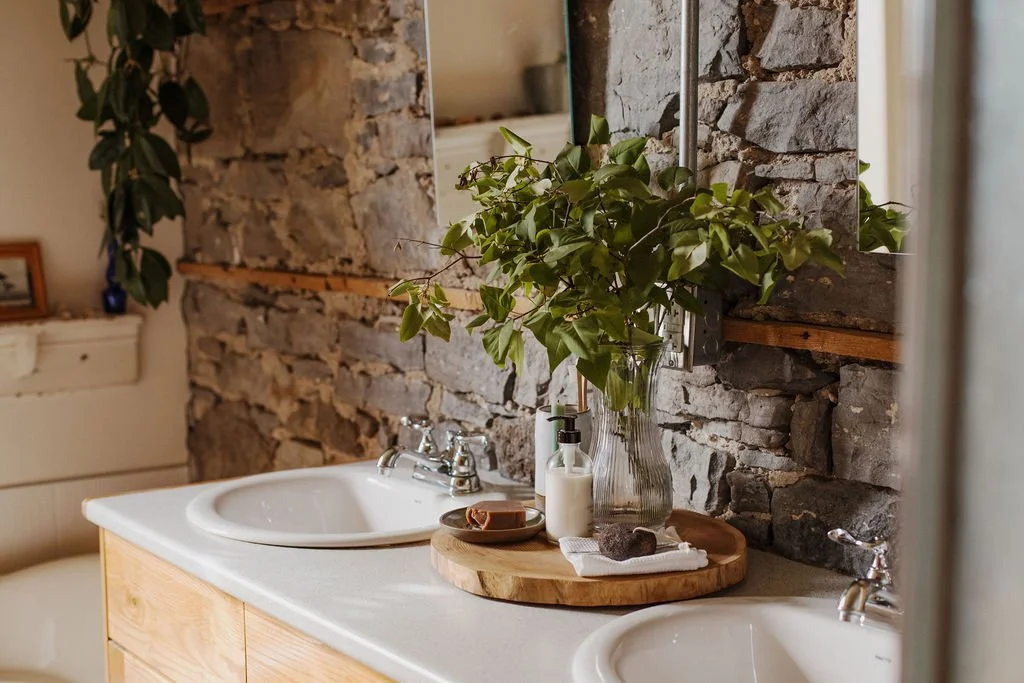
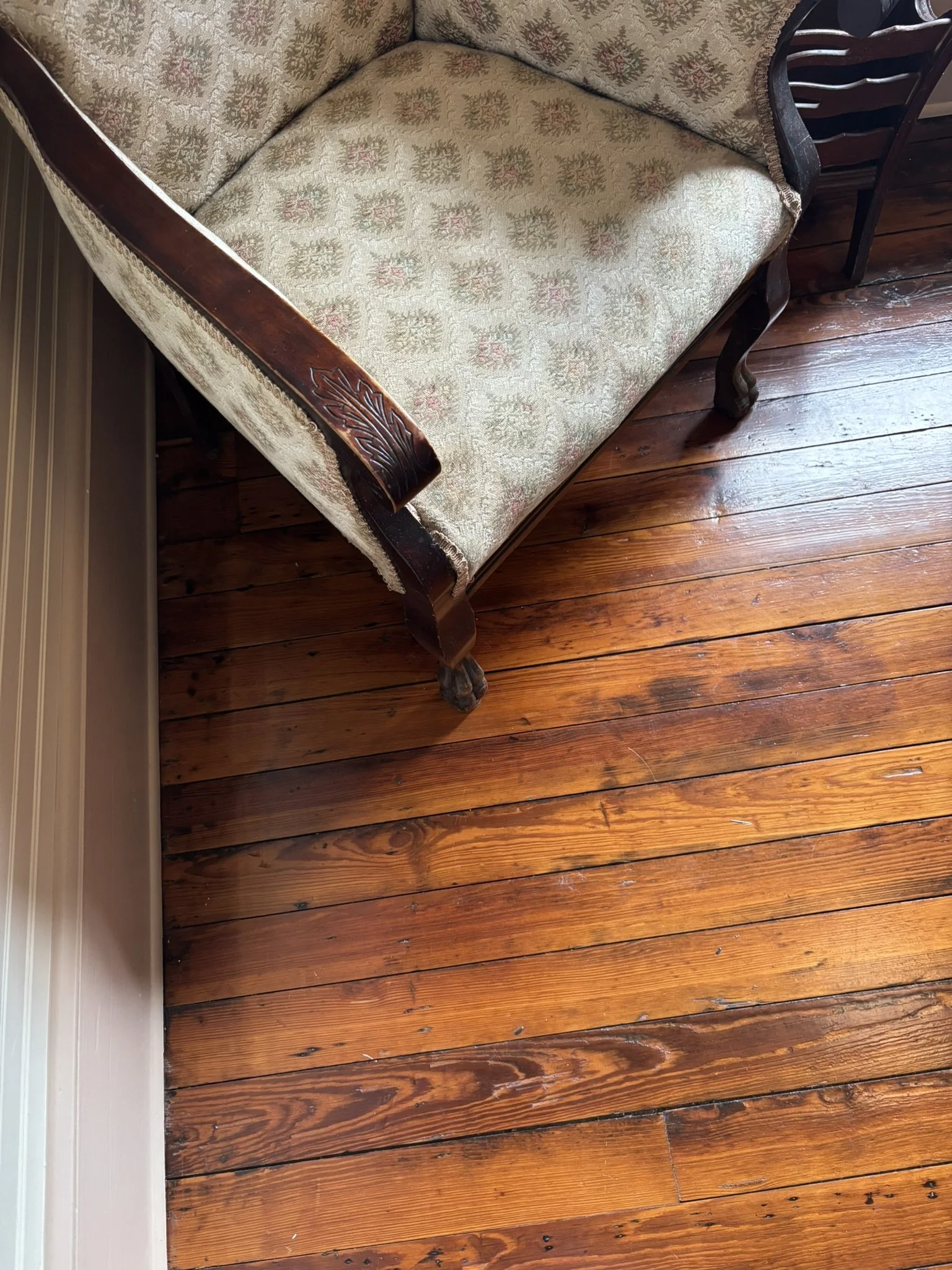
There's a kind of home I'm drawn to. Not the freshly built kind, not the open-concept renovation everyone seems to be doing. The kind where the floors have been walked on for generations. Where the doors are solid wood and the moldings were made by hand.
Those are the homes we work in.
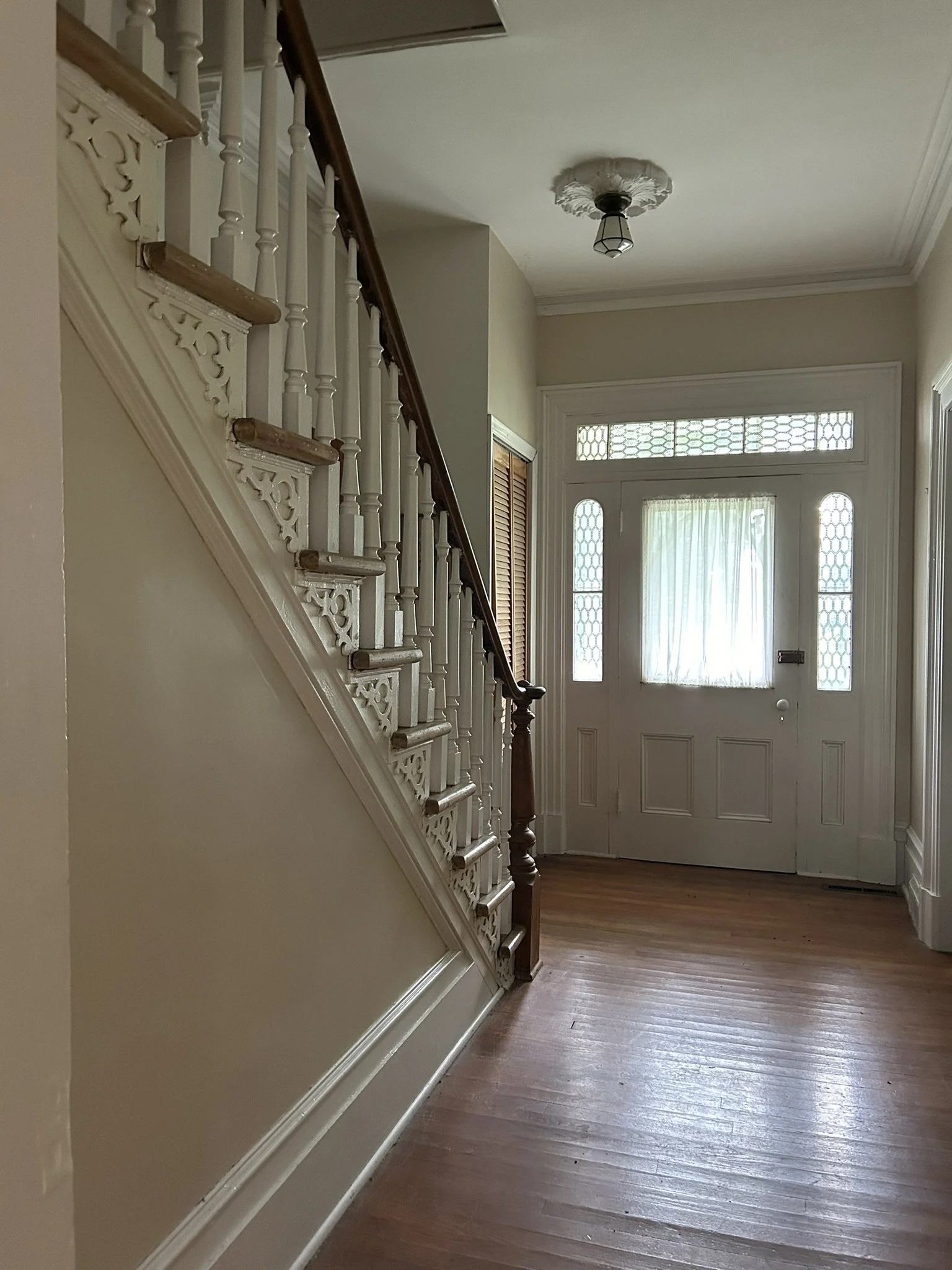
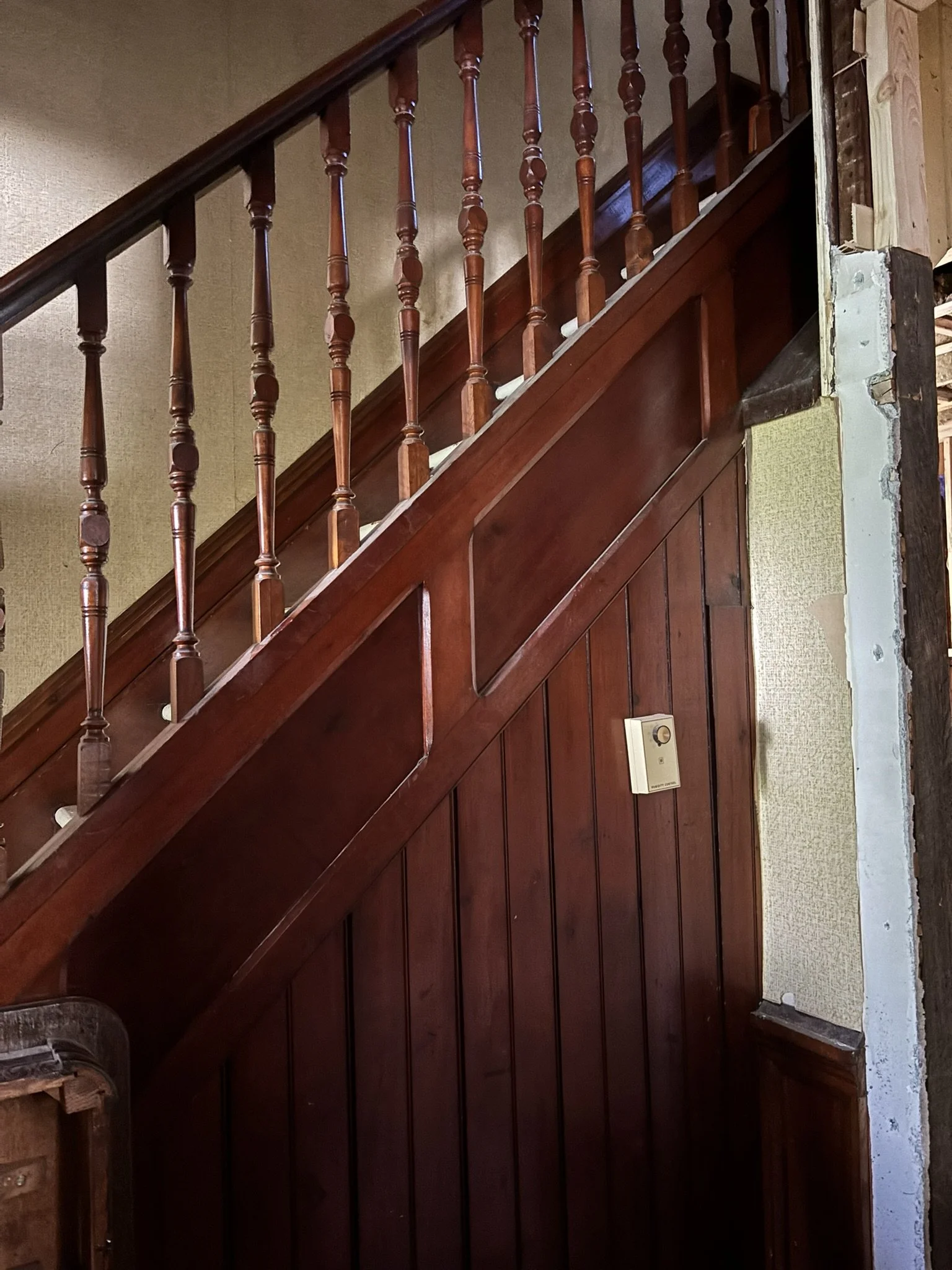
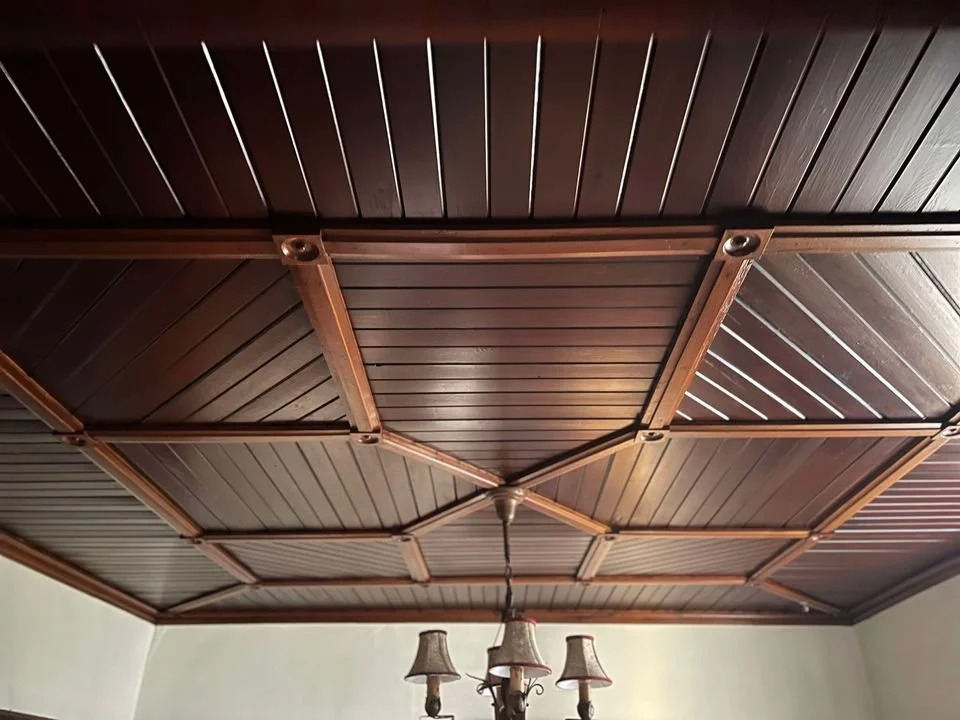
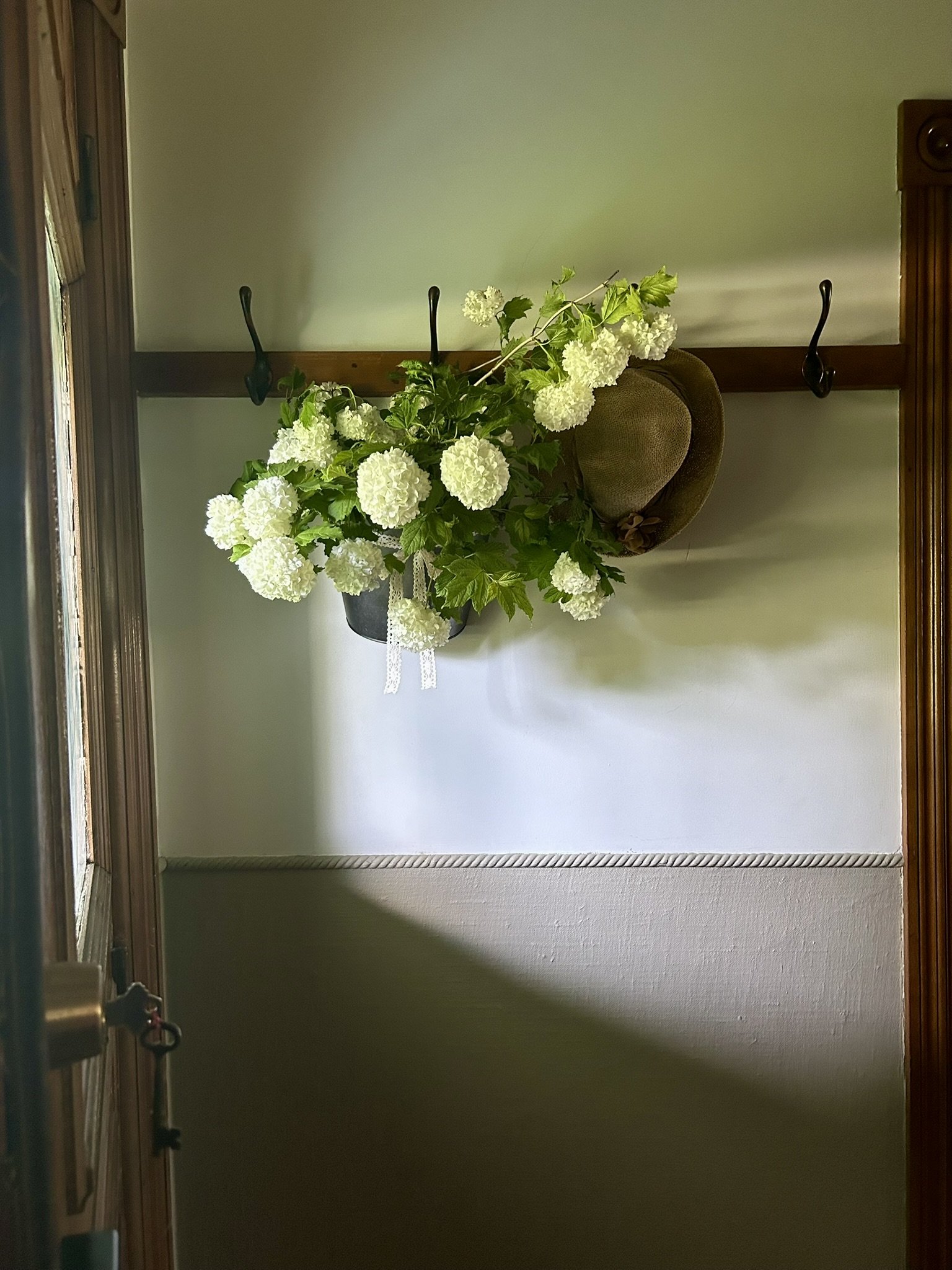
Old homes speak - if you know how to listen
When I walk into a century home for the first time, I'm not immediately thinking about what needs to change. I'm paying attention to what's already there.
The dip in the floorboards near the kitchen door. The way a staircase curves at just the right angle. The window that was clearly someone's favourite spot, the one that looks out over the fields. These details tell you something about how the home was lived in, and that matters when you're deciding what to do next.
I wrote a bit more about why I love these original elements in an older post - Old Floors, Worn Wood & Why I Love Them - if you want to go deeper on that.
The details are the whole point
There's a note pinned to our design board that reads: "The original details aren't problems to solve. They're the whole point."
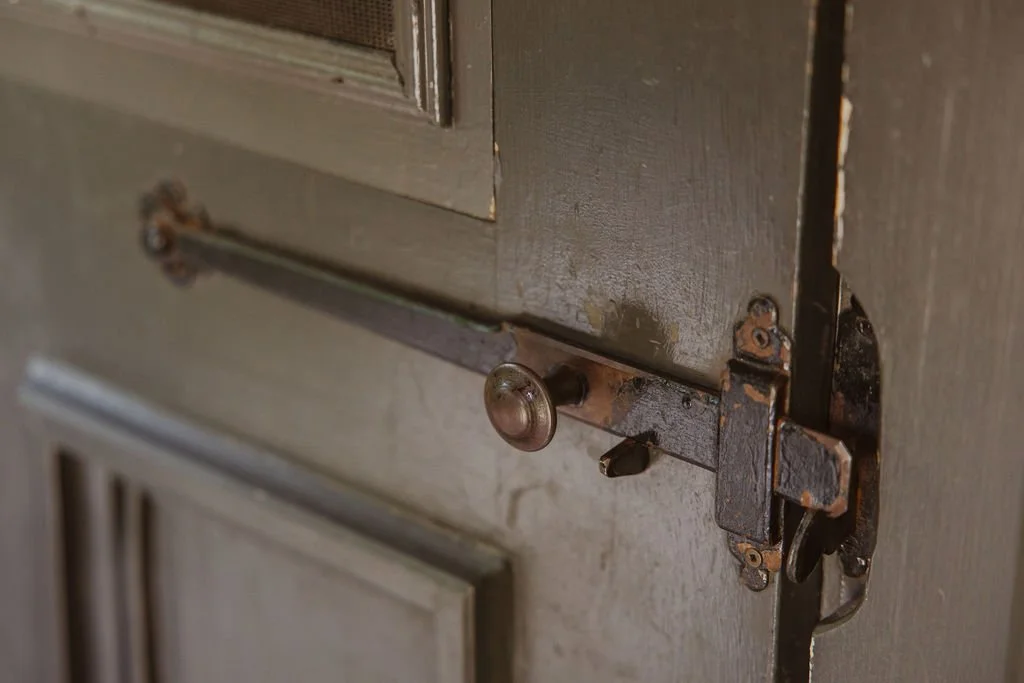
When we start working with a client, we spend real time figuring out what's worth keeping before we talk about anything new. Original hardware. Trim work. A kitchen layout that actually makes sense for the house, even if it's not what the magazines show right now. These things give a home its character, and character is hard to manufacture.
It's also part of why we work the way we do. We're not in a rush to get to selections. We want to understand the house first.
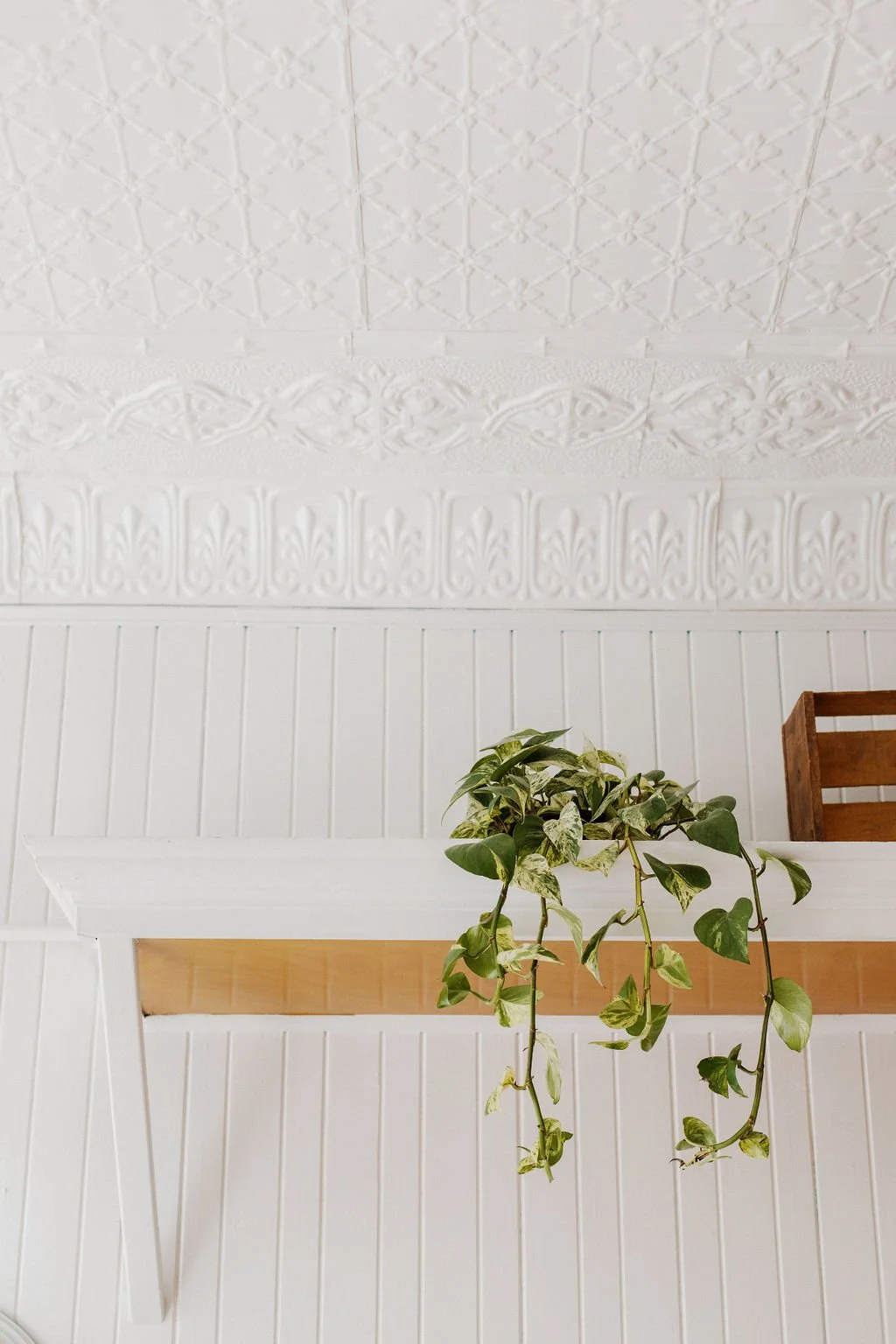
Preserve and reimagine. In that order.
Once we know what's worth saving, we get to the fun part: figuring out how to make the rest of the home work for how you actually live.
That might mean adding a walk-in closet where there wasn't one. Creating storage that looks like it was always part of the plan. Reconfiguring a bathroom so it functions without losing the scale of the original room. It's not about starting fresh. It's about keeping what makes the house feel like itself, and reimagining what doesn't serve you anymore.
If storage is something you're already thinking about, this post gets into how we approach it specifically in older homes, because it really is its own conversation.
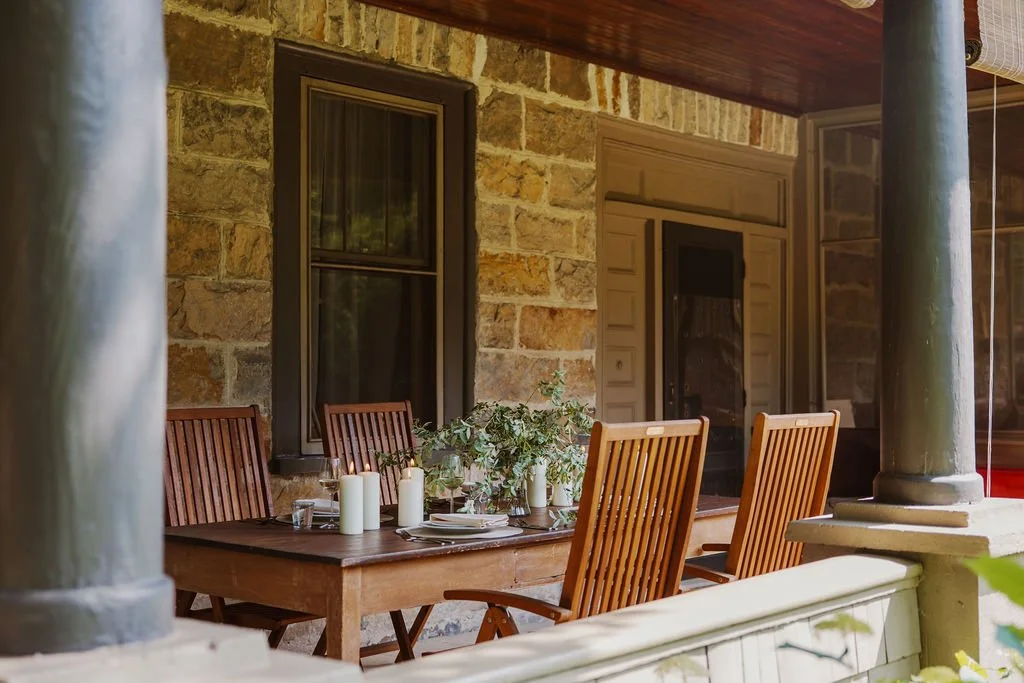
We don't believe in trends
Every season there's a new colour, a new tile shape, a new finish that everyone is suddenly putting in their kitchens. And some of those things are genuinely beautiful. But we don't design around them.
When you're working in a home that's already 100 years old, you want to make choices that will still feel right in 20 more. That means natural materials. Proportions that match the house. Finishes with texture and warmth, not just a look that photographs well.
Our clients aren't looking for a home that looks designed. They're looking for a home that feels like theirs. If you want to learn more about how we approach the full design process, our interiors page walks through what working with us actually looks like.
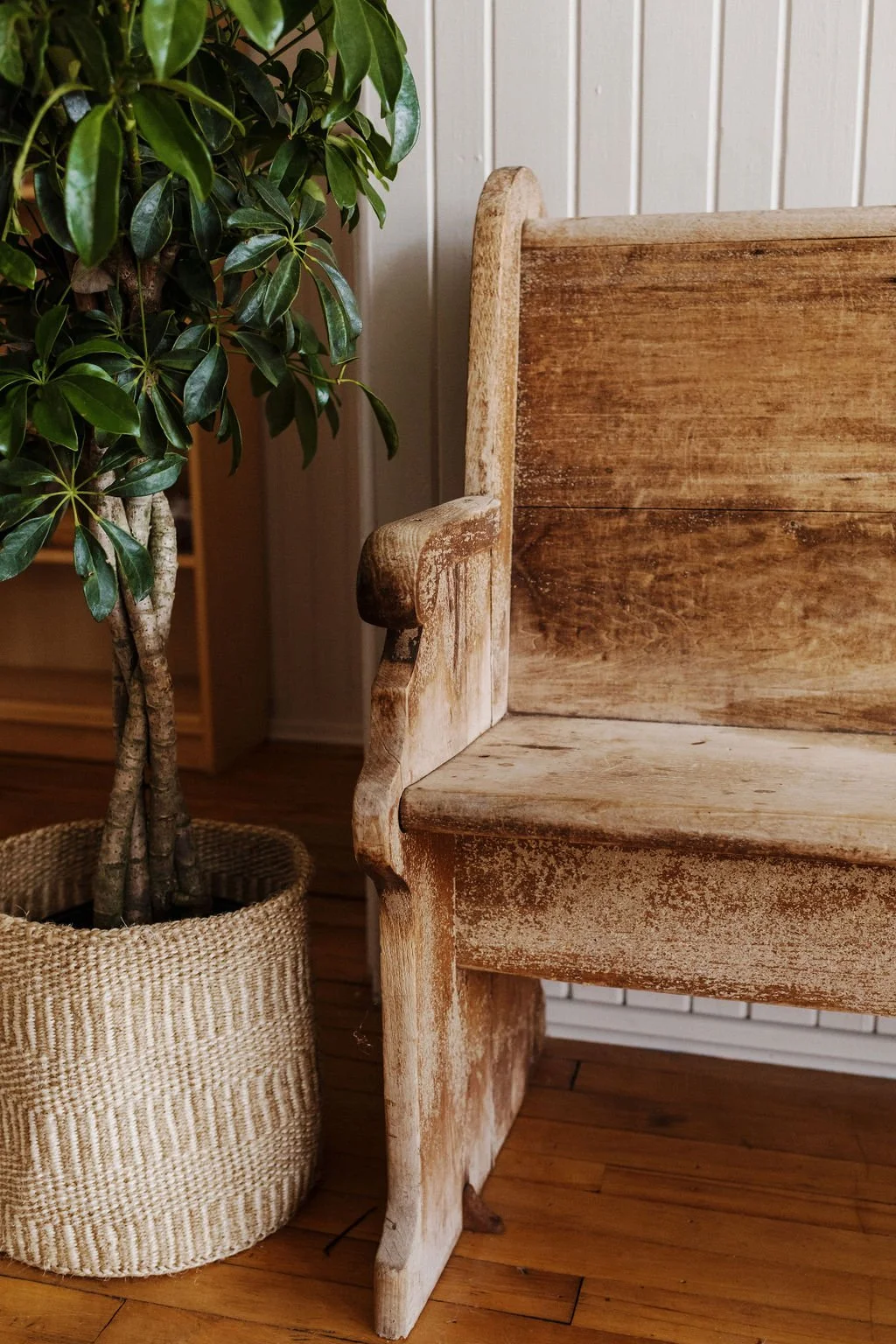
The goal is always the same
We want your home to be better. Not more impressive, not more on-trend. Better - for your family, for the way you move through your days, for the house itself.
That looks different in every project. For one family, it was adding an entire second floor above a garage that looks like it's been there since the early 1900s, you can read about that one here. For another, it was getting a kitchen addition right so a stone farmhouse could finally breathe the way it was meant to.
In every case, the approach is the same. Listen to the house. Listen to the people who live in it. Make something that holds up.
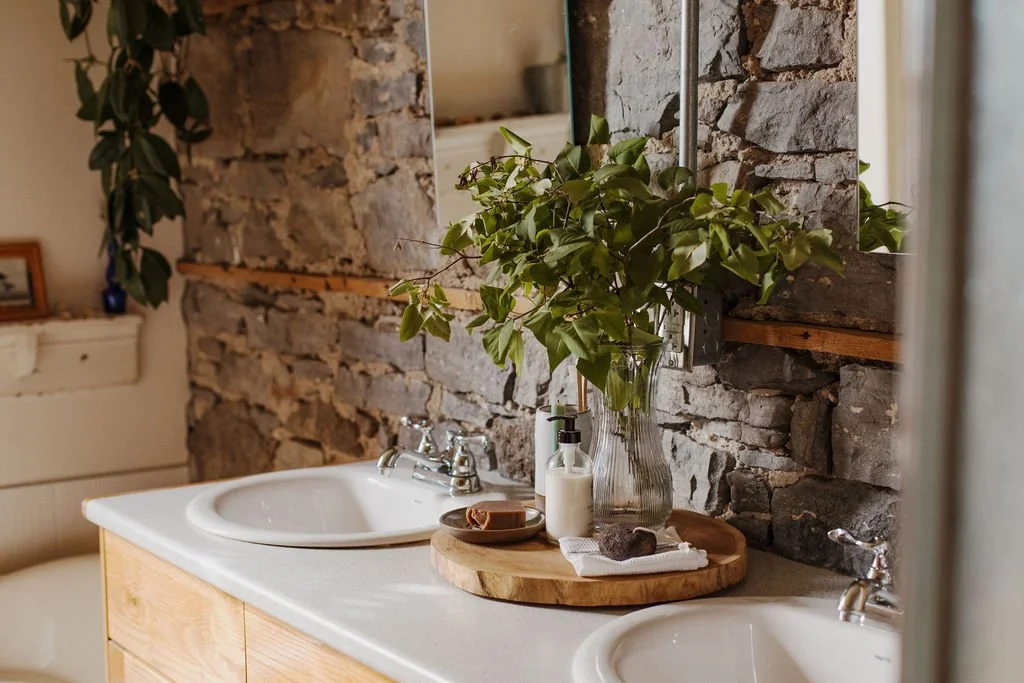
If you're thinking about renovating
If you own a century home and you're starting to think about what comes next, the first step is usually just getting clear on what you actually need. What's not working. What you'd never want to change.
Our free guide: Where to Start: Renovating Your Century Home is a good place to begin that thinking. And when you're ready to talk through a project, we'd love to hear about it.