
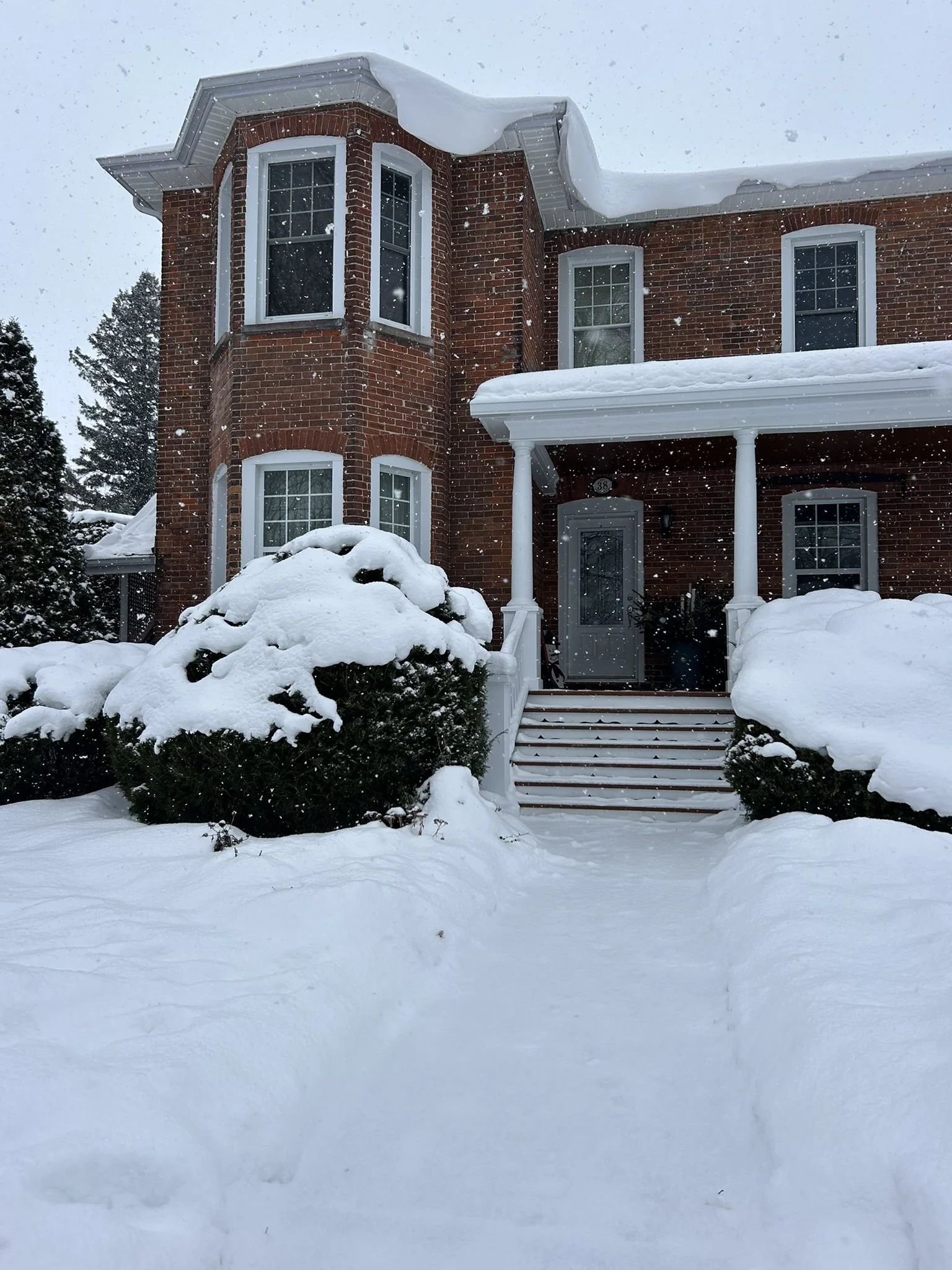
The new year brings a clear perspective. When it's cold outside and you're spending more time indoors, you really notice what works in your space and what doesn't.
January is perfect for sitting in your home, living in it during quiet winter months, and seeing what needs to change. Where does morning light hit? Which rooms feel cramped? Where do you need more storage? Winter makes these things crystal clear.
But most homeowners don't realize this: the best time to start planning your renovation isn't when you want construction to begin, it's months before.
If you want a transformed space by summer 2026, the time to start that conversation is January 2026. Here's why.
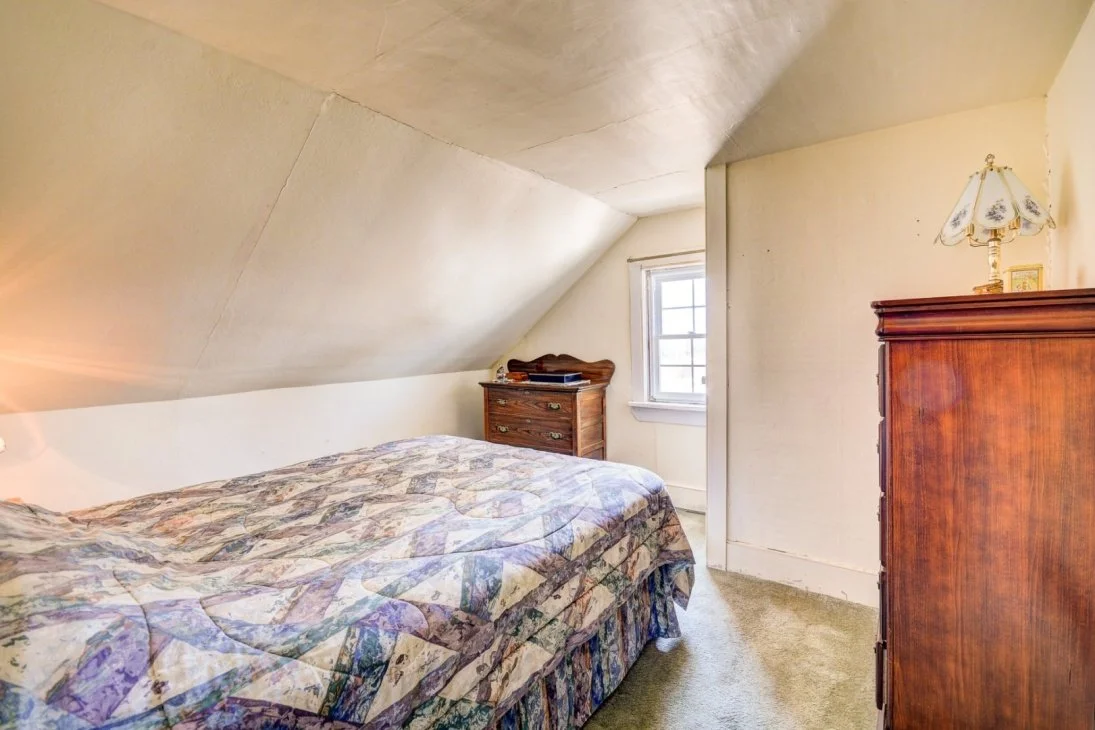
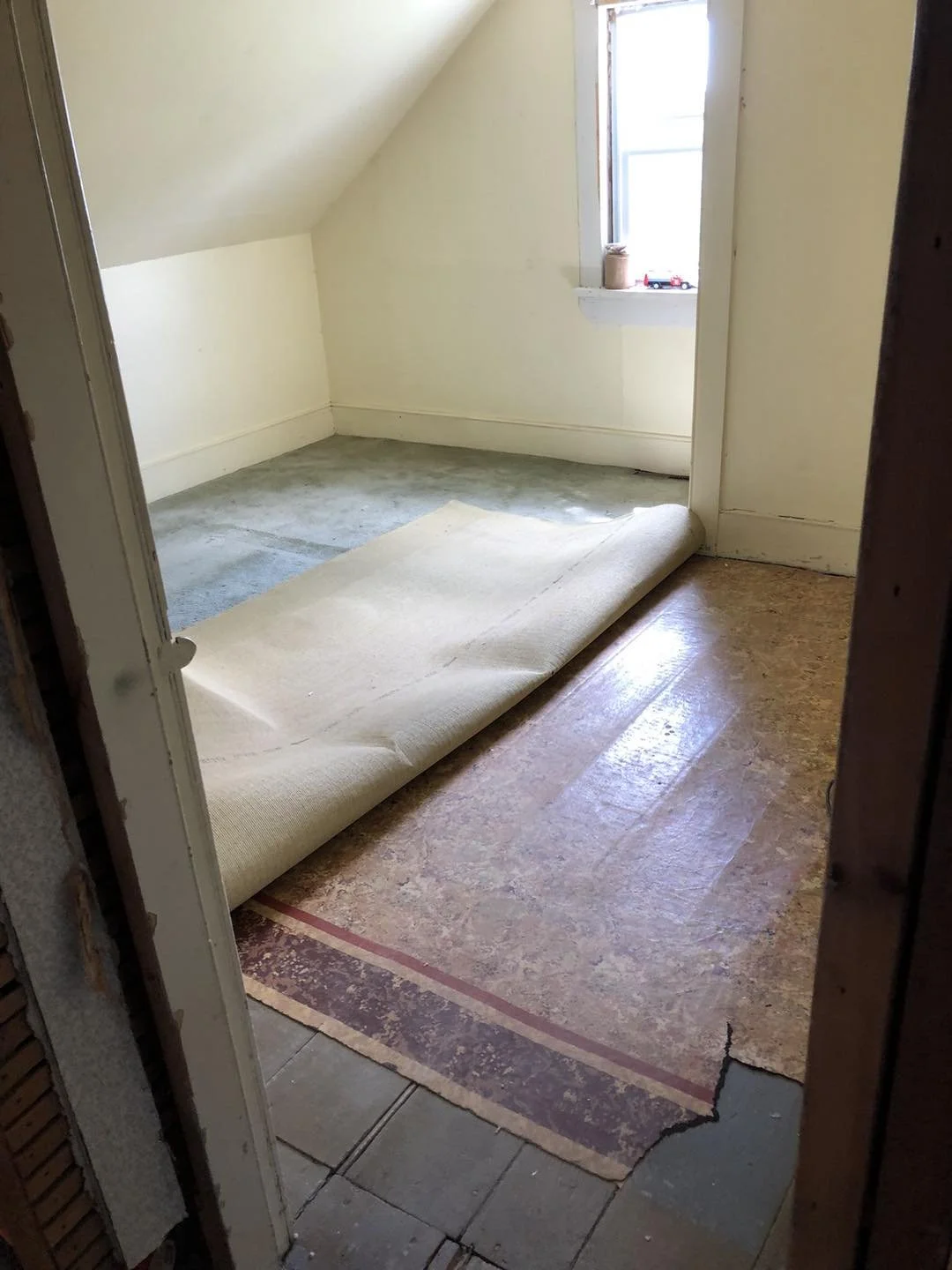
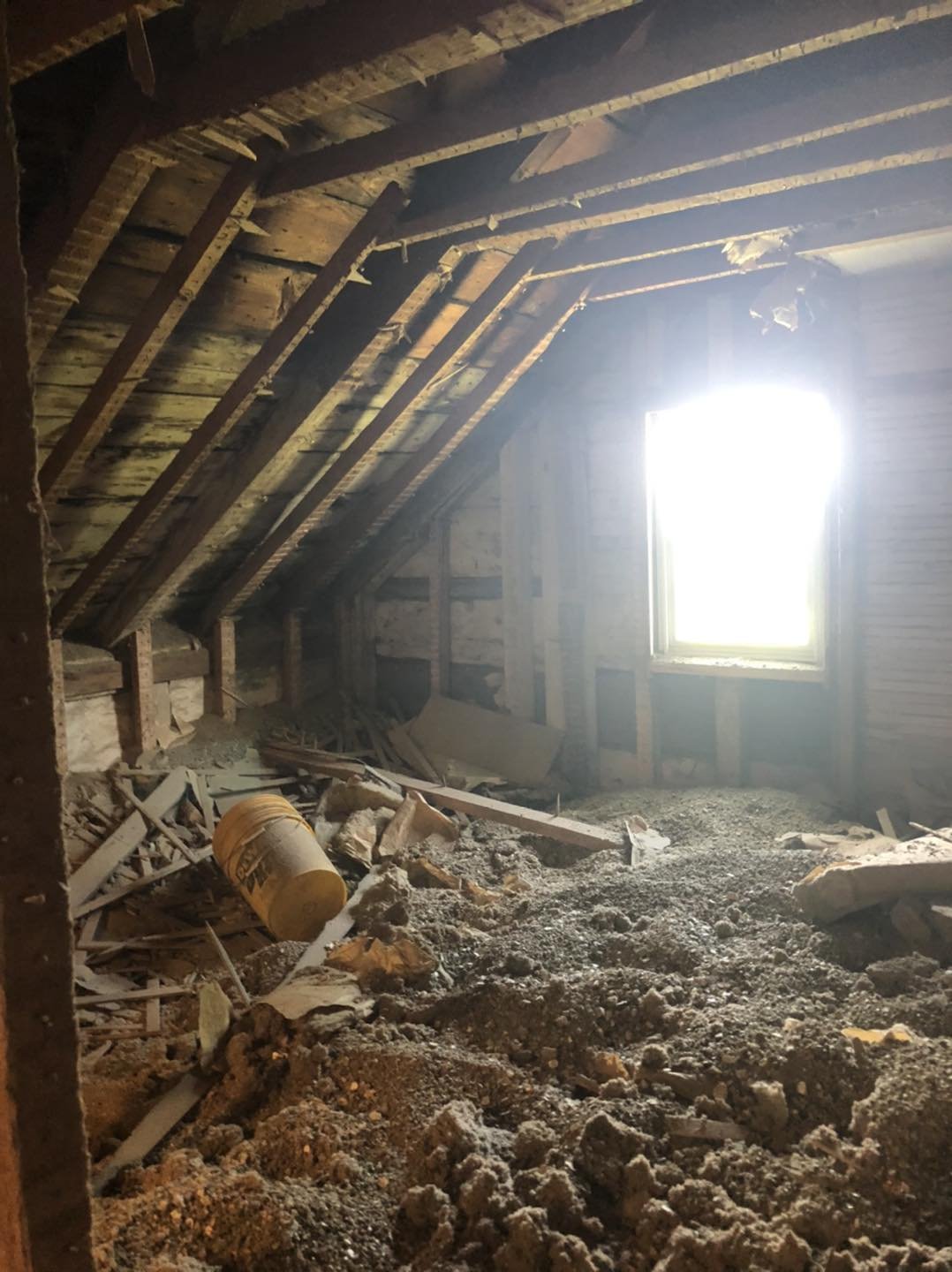
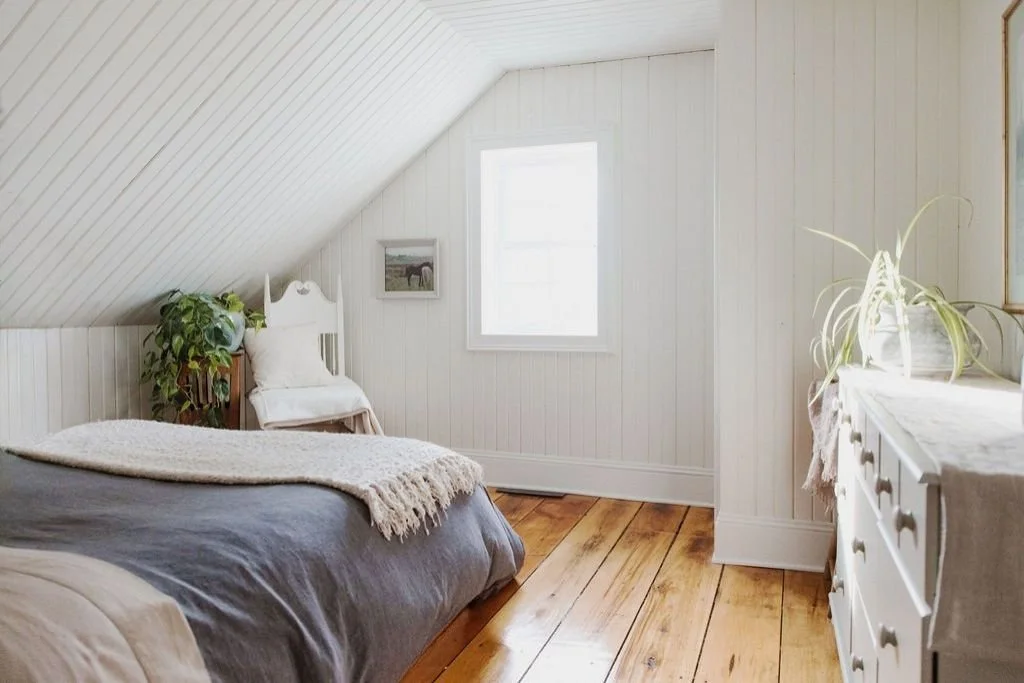
The Reality of Heritage Home Renovation Timelines
Quality work takes time and that's a good thing.
When you're renovating a century home, you're not just updating a space. You're working with:
Craftsmen who specialize in heritage work (not your average contractor)
Custom millwork and cabinetry (not big-box store cabinets)
Thoughtful design that respects your home's character (not quick fixes)
Here's what a realistic timeline looks like:
Design Phase: 3 months
Discovery call + site visit
Concept development
Detailed design, selections, specifications
Contractor quotes + permits (if needed)
Construction Booking: 2-4 months lead time
The carpenters and craftsmen we work with book months in advance
Spring/summer is their busiest season
Booking early gives you priority scheduling
Construction: Varies by project
Small project (kitchen only): 6-8 weeks
Full home renovation: 4-6 months
Translation: If you want construction to start in June, you need to book your discovery call in January or February.
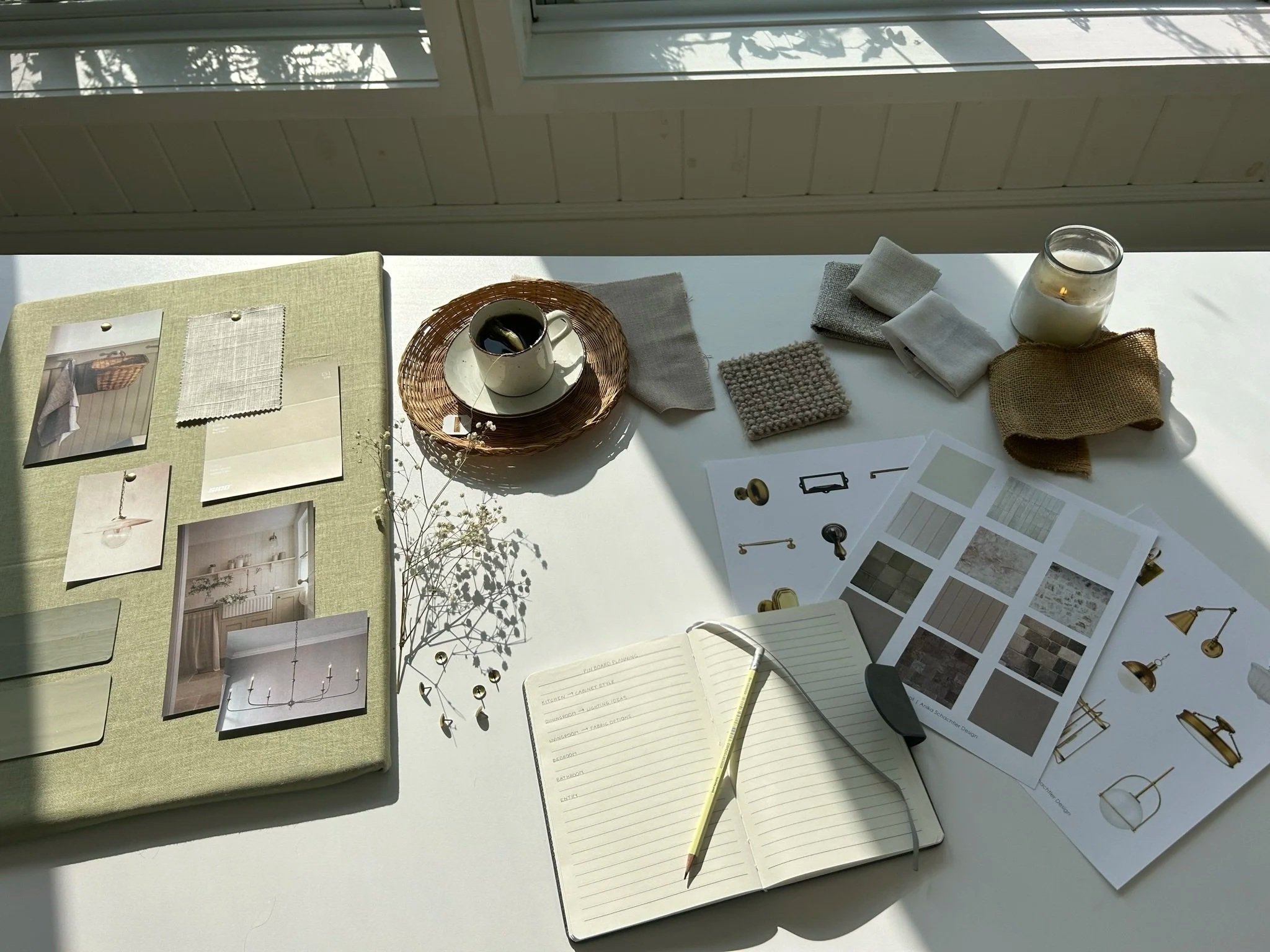
Why Winter is Perfect for Planning
You might wonder: "Why would I start planning in January when construction won't start until summer?"
Here's why it makes sense:
1. You're home more in winter
Living in your space during the colder months gives you clarity. You notice:
Which rooms feel dark and need better lighting
Where your storage is lacking (holiday decor overflow maybe or just general every day stuff!)
How your kitchen functions during holiday hosting
Where you wish you had more warmth and coziness
This is invaluable information for your designer.
2. Contractors have more attention for planning
Winter is typically slower for site visits and quotes. Your project gets more focus during planning rather than competing with active construction sites.
3. You avoid the spring rush
Everyone wants to start renovations when weather improves in March/April. By then, the best craftsmen are booked solid. Starting your planning in January puts you ahead of that curve.
4. Thoughtful design takes time
Three months for design is realistic when you're:
Creating custom millwork that works with your home's existing style
Sourcing the right materials (vintage hardware, period-appropriate fixtures)
Developing layouts that respect your home's character
Selecting finishes that will stand the test of time
Rushing this process leads to expensive mistakes and regret.
5. January motivation works in your favor
There's something energizing about January planning. You haven't been thinking about this project for months. You have clarity and excitement. Use that energy to get started.
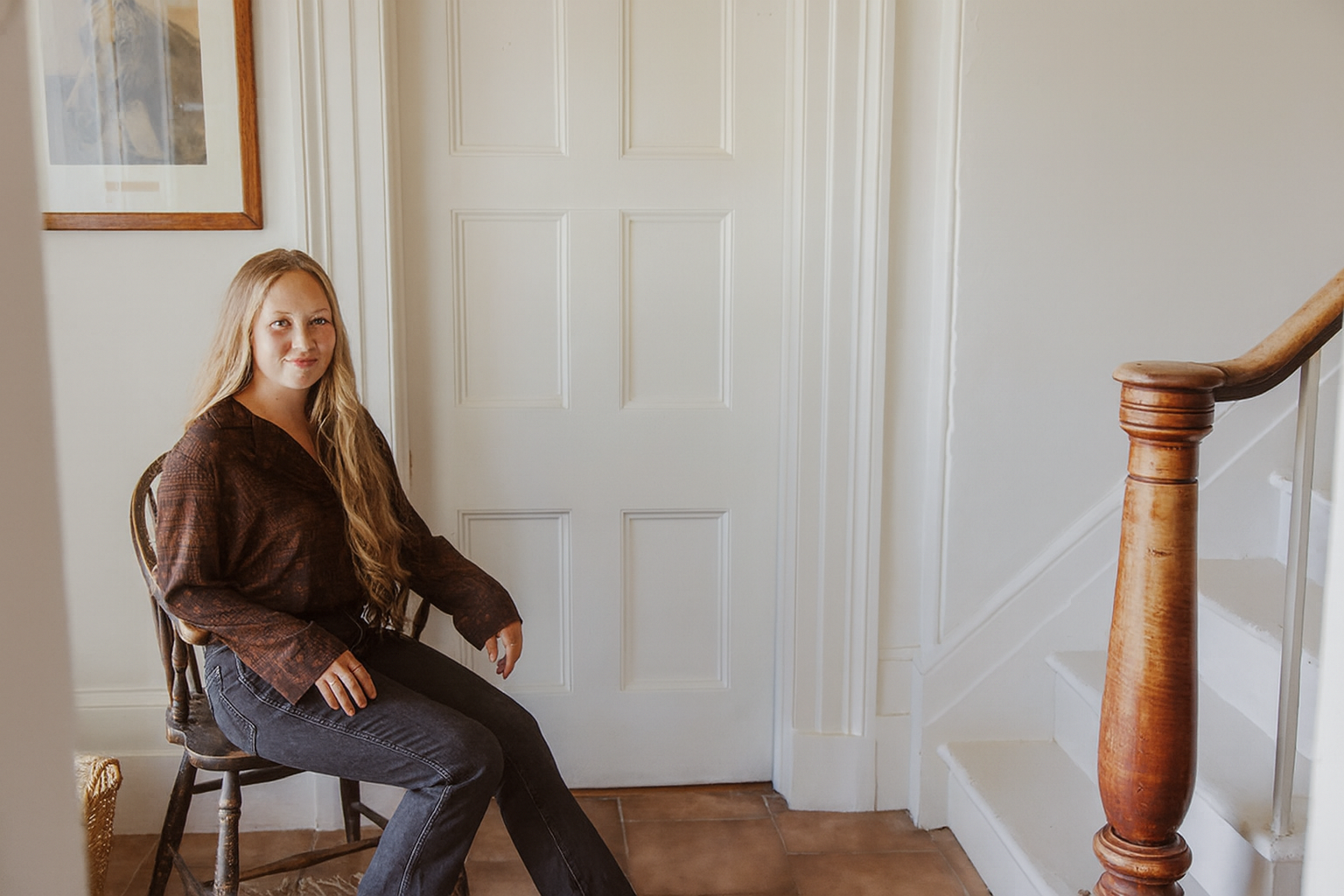
What We Have Available for 2026
At Anika Schachtler Design, we're taking on a limited number of projects to ensure quality craftsmanship and attention to detail for each home we work with.
How to Get Started
If you're reading this in early December and thinking "I want to transform my space in 2026," here's what to do:
Step 1: Spend time in your space this winter
Notice what's working and what isn't. Take photos. Make notes. Think about how you actually live in your home vs. how you wish you could live in it.
Step 2: Book a discovery call for January
No pressure, no commitment. Just a conversation about your vision, timeline, and budget. We'll talk about whether we're a good fit and what the process would look like.
Book your January discovery call here
Step 3: Trust the process
If we move forward together, the design phase takes about 3 months. I know that might feel long, but it's where the magic happens. By the time we hand plans to the contractor, you'll have clarity and confidence about every decision.
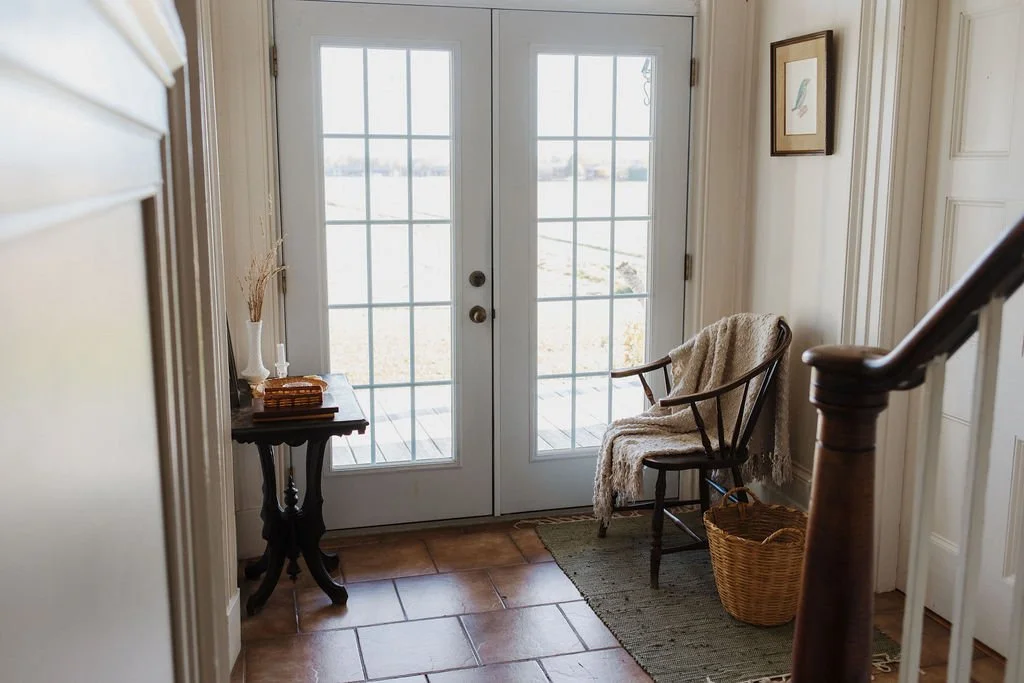
Conclusion
The new year is full of possibility.
If you've been dreaming about transforming your century-old home, whether it's one room or the entire house, January is the perfect time to start that conversation.
Not because you need to rush, but because quality work takes time. And the craftsmen who truly understand old homes? They're worth the wait.
Let's make 2026 the year you finally create the space you've been dreaming of.
→ Book your January discovery call here
We can't wait to hear about your vision!