
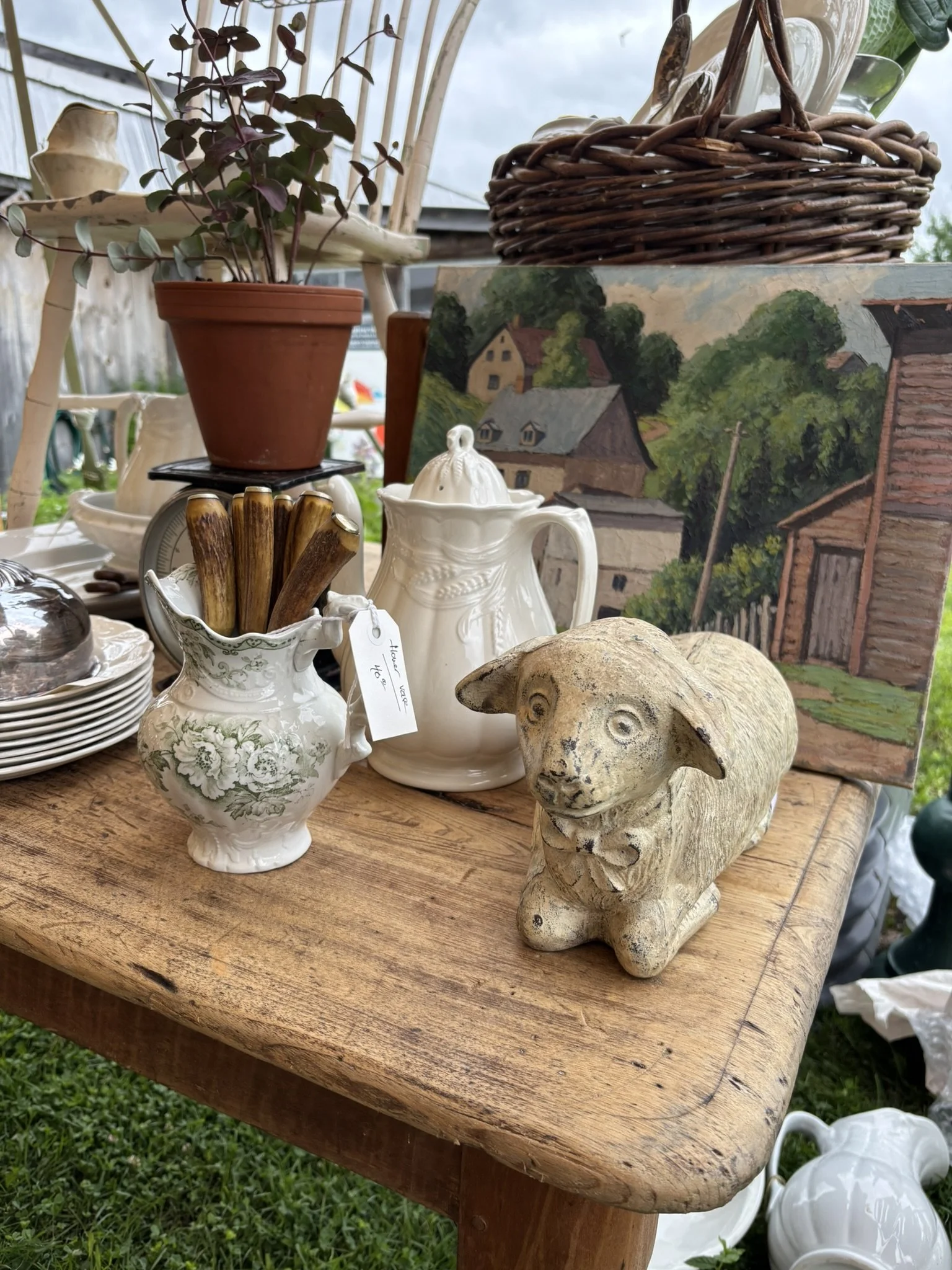
I still remember the first time I walk into a century home. Every time, before I've looked at a single detail, before I've even taken my coat off, something in the room already feels different. Steadier, somehow.
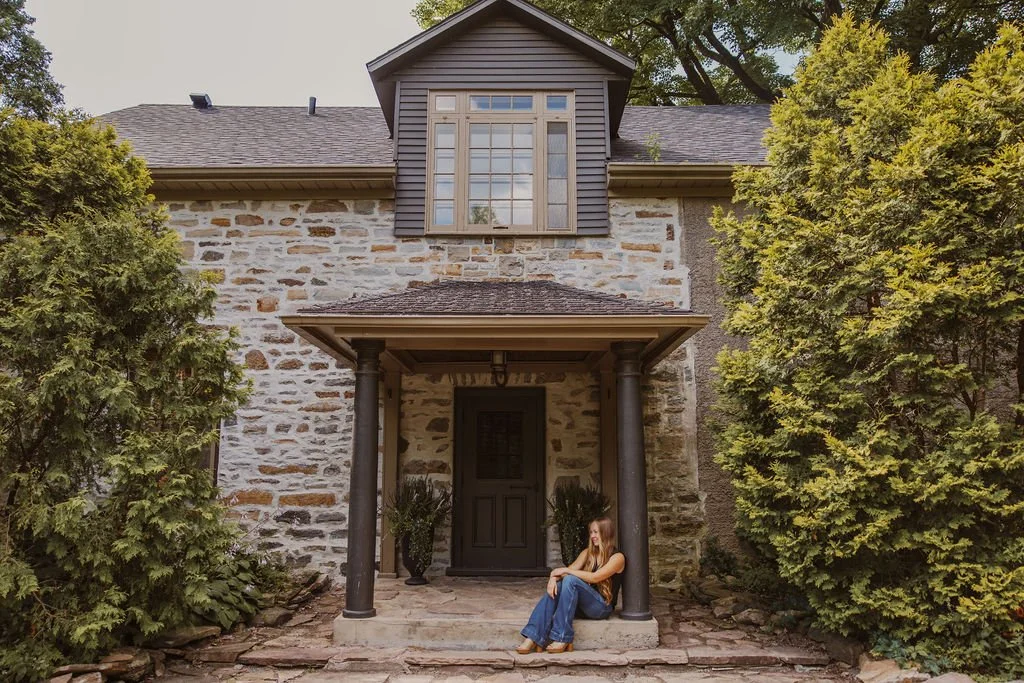
I used to think that was just me, or just the job talking. But there's actual research on why this happens. People feel calmer and more connected in spaces that are genuinely tied to real history and real lives, not spaces that were built or staged to look a certain way. It's not about age for its own sake. It's about whether something is honest about what it is and where it's been.
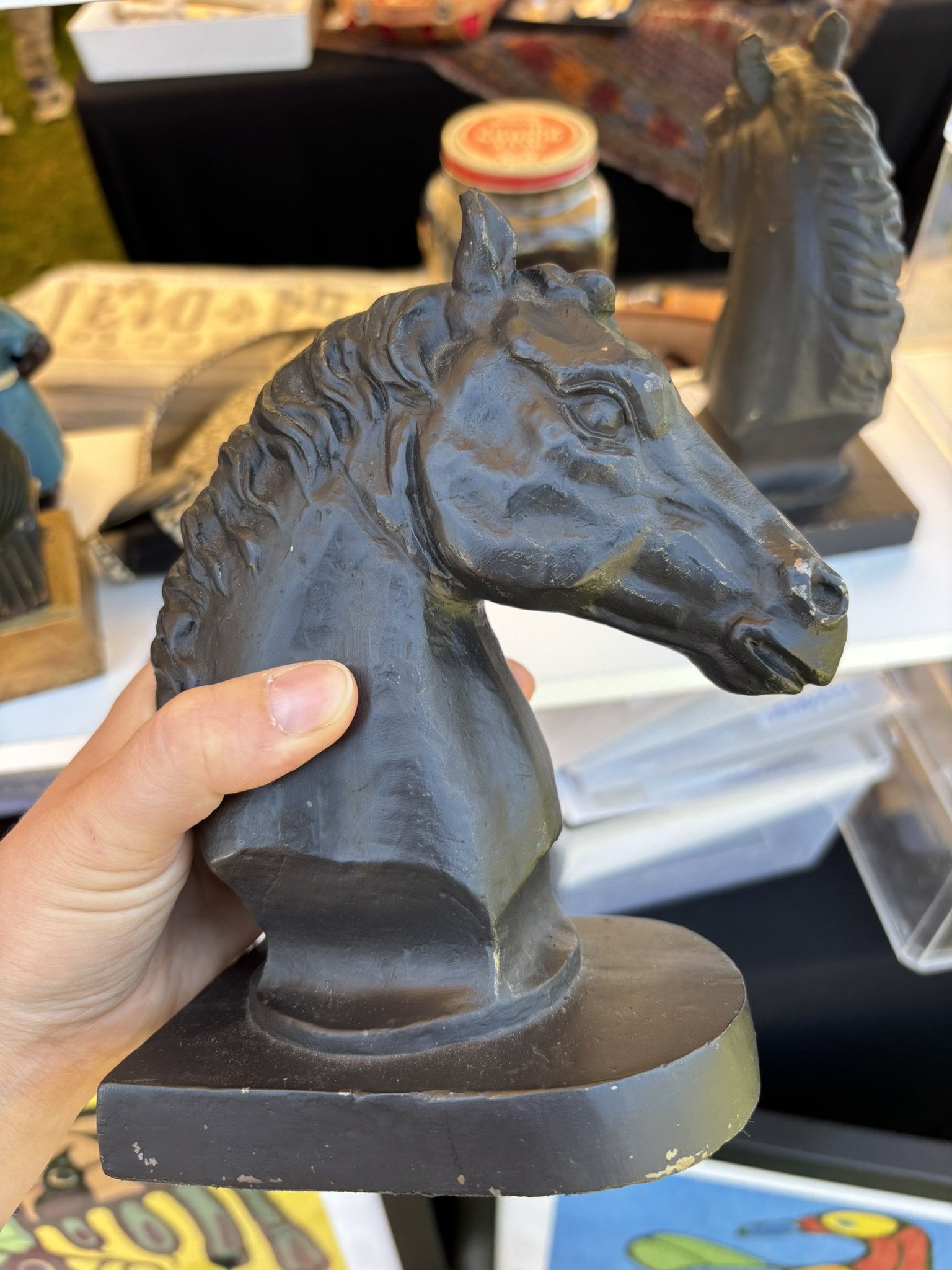
I feel this in my own home too, not just on job sites. The dining set that was my grandmother's. The horse book ends I found while I was out vintage shopping in Hudson. Things that were passed down or found rather than picked off a shelf somewhere. Brand new decor is fine, but it doesn't hold the same weight for me. It just doesn't carry anything yet.
I see this with clients too. Like the on with the marble top dresser her grandparents brought over from Belgium when they moved. It’s a big, heavy piece and she'd never part with it, and I'd never ask her to. That kind of thing outweighs anything I could source new.
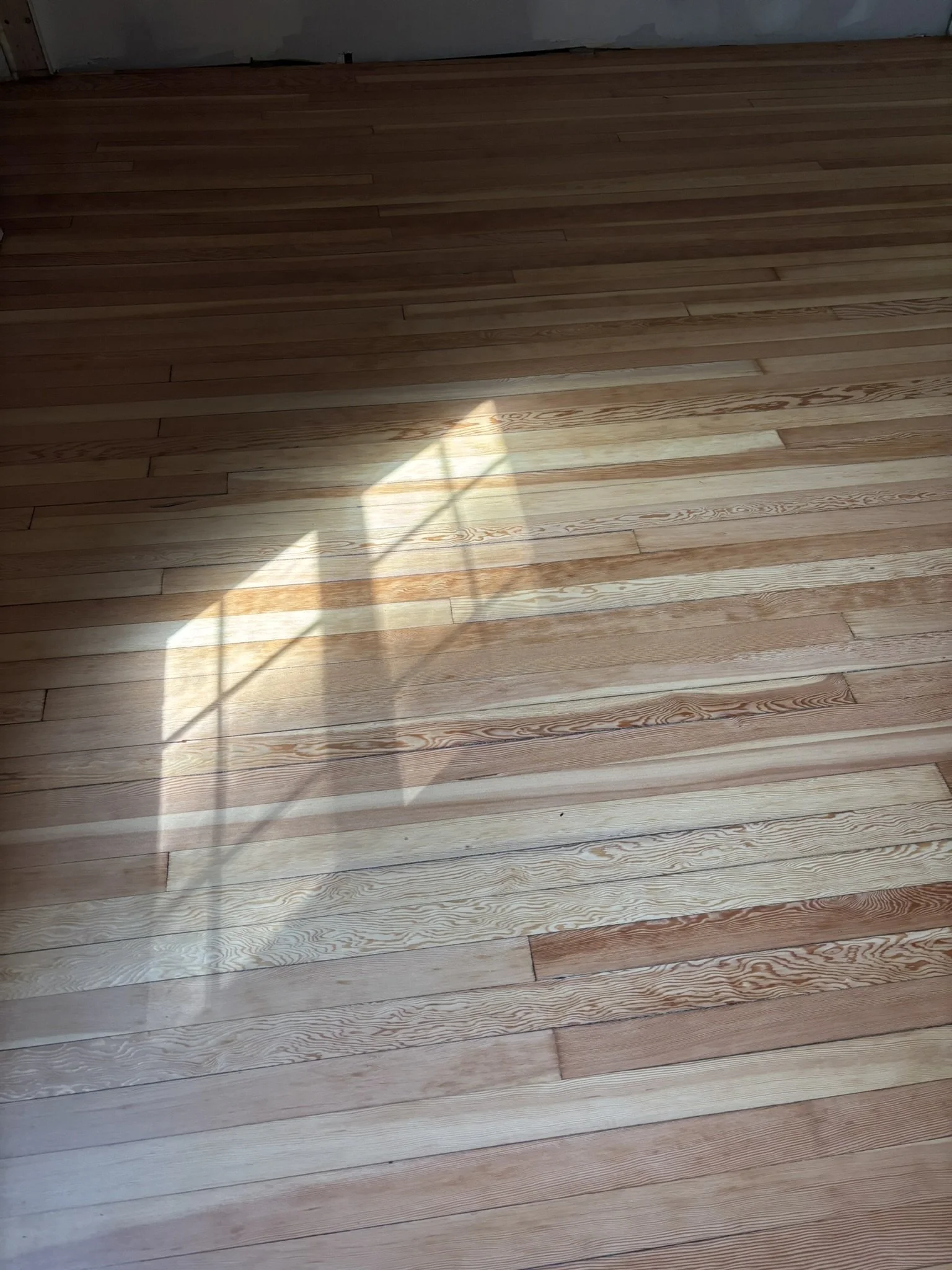
That's part of why I hold onto certain things in every project I work on. Original trim, even when it would be easier to rip out and replace. Floors that are worn in spots but still have life in them, like a bathroom where we kept the original wood floor and built the new tile shower right up against it, so the old and the new sit side by side instead of one replacing the other (I've written more about why I love original floors specifically, if you want to go deeper there). Old hardware that still works, even if it needs to be cleaned up. None of that is decoration. It's evidence that someone was here before, and that matters more than people expect it to.
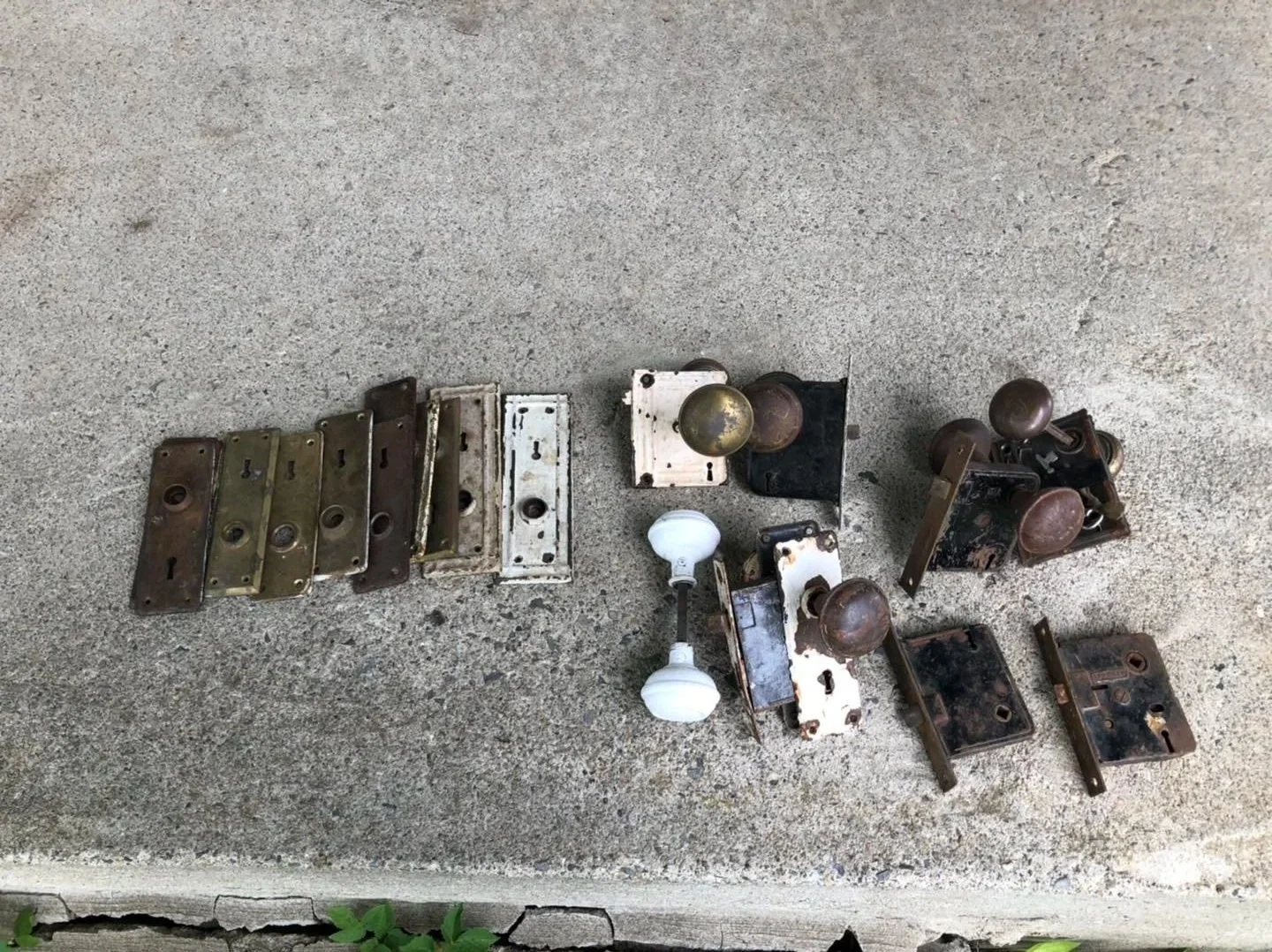
New builds have their place, and there's nothing wrong with clean and simple. But sameness is its own kind of feeling too, and it's usually not the one people are chasing when they choose an old house in the first place.
So many of my clients tell me the same kind of thing, stories about the whole family gathering around the table at Christmas, memories tied to a specific room or a specific chair. That's what a house is actually for.
This is also why a century home renovation isn't quite a DIY project, and it's not quite a standard contractor project either. Knowing what to protect, what to rebuild to match, and where the character actually lives isn't always obvious from the outside. That's the part I spend most of my time thinking about.
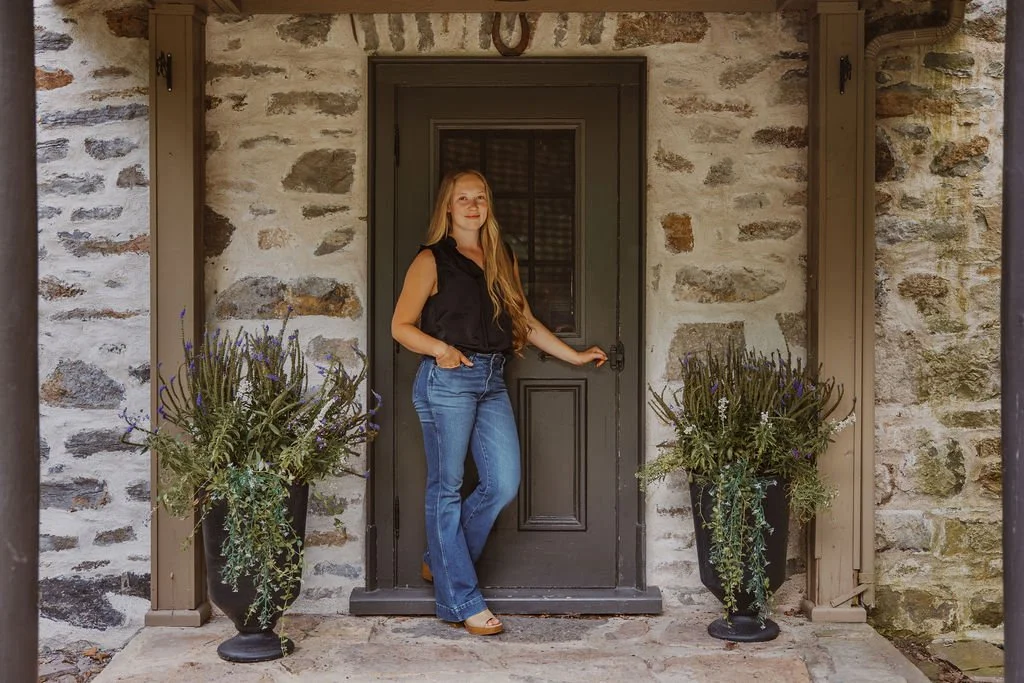
If you're in an old house right now and wondering how to hold onto what makes it feel the way it does, while still making it work for how you actually live, that's exactly the conversation I like having.
Planning to renovate or add onto your century home? Here's what to know before you begin.
I put together a free guide, Where to Start: Renovating Your Century Home, for exactly this stage, before the plans, before the contractor calls, when you're just starting to picture it.