
If you're starting to think about a renovation and aren't sure who to call first, a designer or a contractor, you're not alone. There's many parts to a renovation. Here's how to think about it.
It's not designer instead of contractor
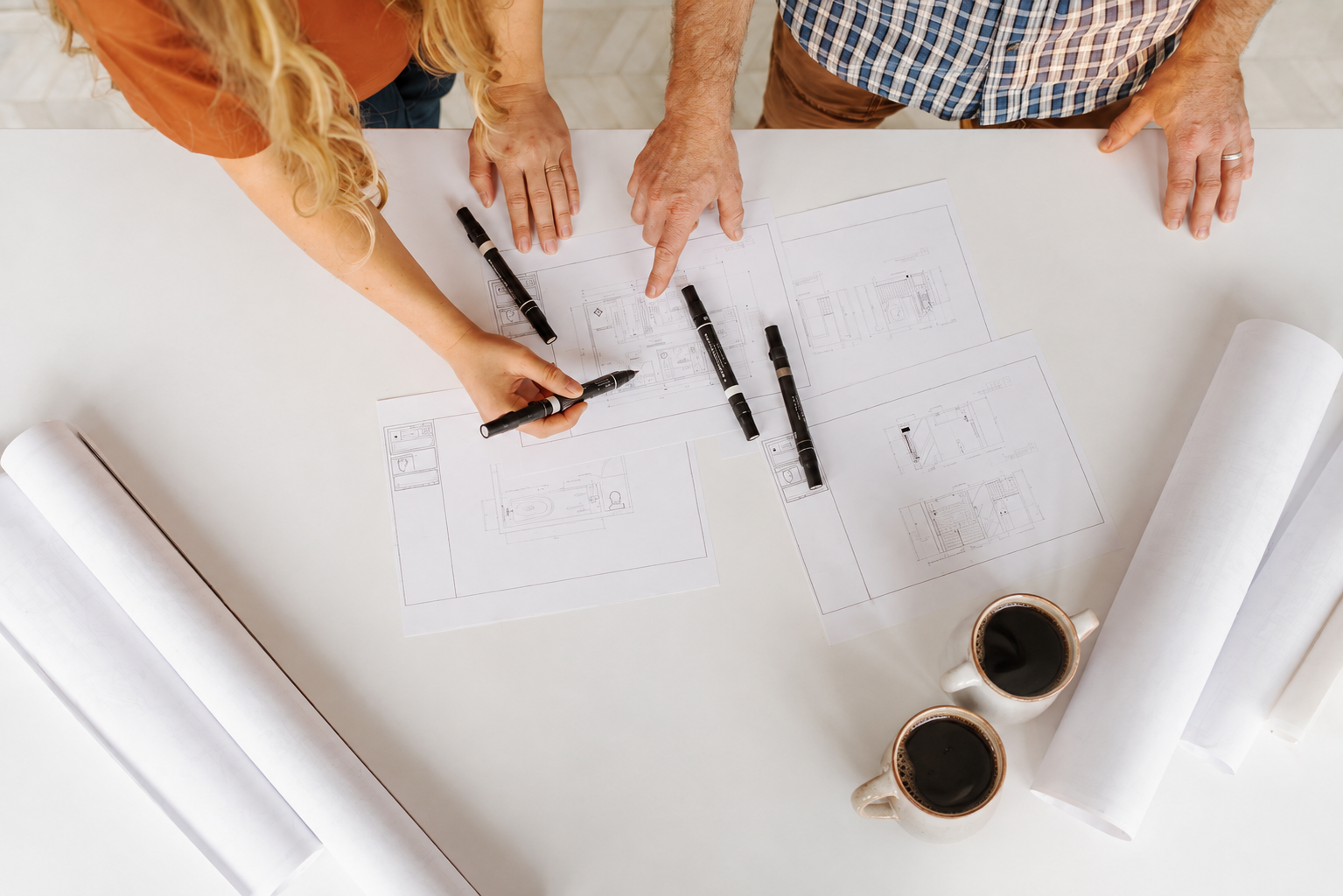
A good renovation needs both, and they're not interchangeable. Trades and contractors are the ones who actually bring a space to life, and a renovation only works when that team knows exactly what they're building toward.
Design comes first, so your trades know exactly what they're building before they start.
What design actually means here
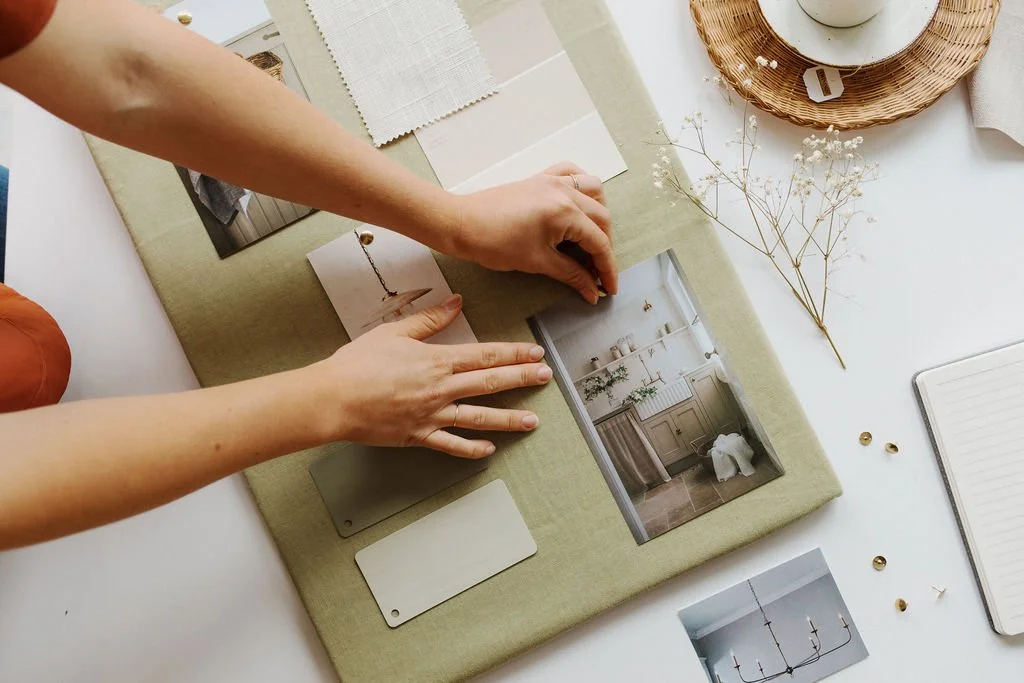
When people hear "design," they usually think of tile and paint colors. That's part of it, but it's a small part. The bigger part is the planning that happens before anyone picks up a tool: a full set of plans the trades can actually refer to once the renovation starts, so decisions are made once, upfront, instead of room by room as work goes.
Signs the design phase needs to happen first
A few things that usually mean you're at this stage, not further along:
You're picturing a bigger main bedroom and ensuite with the walls moved, but you're not sure yet what's structural
You're planning a new kitchen layout where the plumbing and electrical need to move, and you want a real plan for that before anyone starts pricing the work
You want your contractor's quote based on an actual plan, not a rough idea, so everyone's pricing the same scope
You want the finished space to still feel like your home when it's done, not like someone else's
If more than one of these sounds like where you're at, that's usually the sign to start with design before calling anyone else.
What the design phase actually gives you
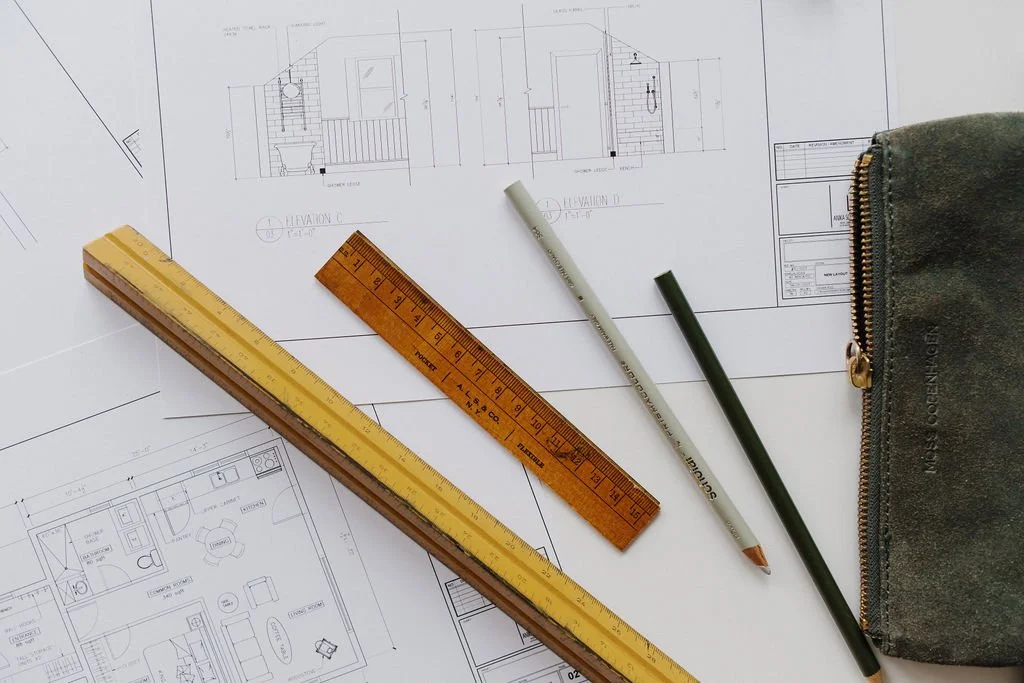
This is more than picking finishes. By the time design is done, the trades are working from a real set of plans, layouts, material selections, all worked out in advance, so decisions aren't being made on the fly once work has started. It also means your contractor can put together an accurate quote based on the actual scope, not a guess, because the plans define exactly what's being built. That clarity carries through to budget too, you know roughly where things stand before a single wall comes down.
We're there through the build, too
Design doesn't end once the plans are handed off. We’re there, on-site through the renovation, working alongside the contractor and trades, answering questions as they come up, and making sure what's happening on site still matches what was planned. Century homes almost always have a surprise or two once walls are opened, something that wasn't visible on paper. When that happens, we work through solutions with your trades and make sure it still works with the design we planned with you.
Where to start
If this is where you're at, our approach to a century home renovation walks through what that planning phase actually looks like with us.
And if you're just starting to think about a renovation or addition, our free Century Home Design Guide walks through the timeline and the questions worth asking before you hire anyone.