
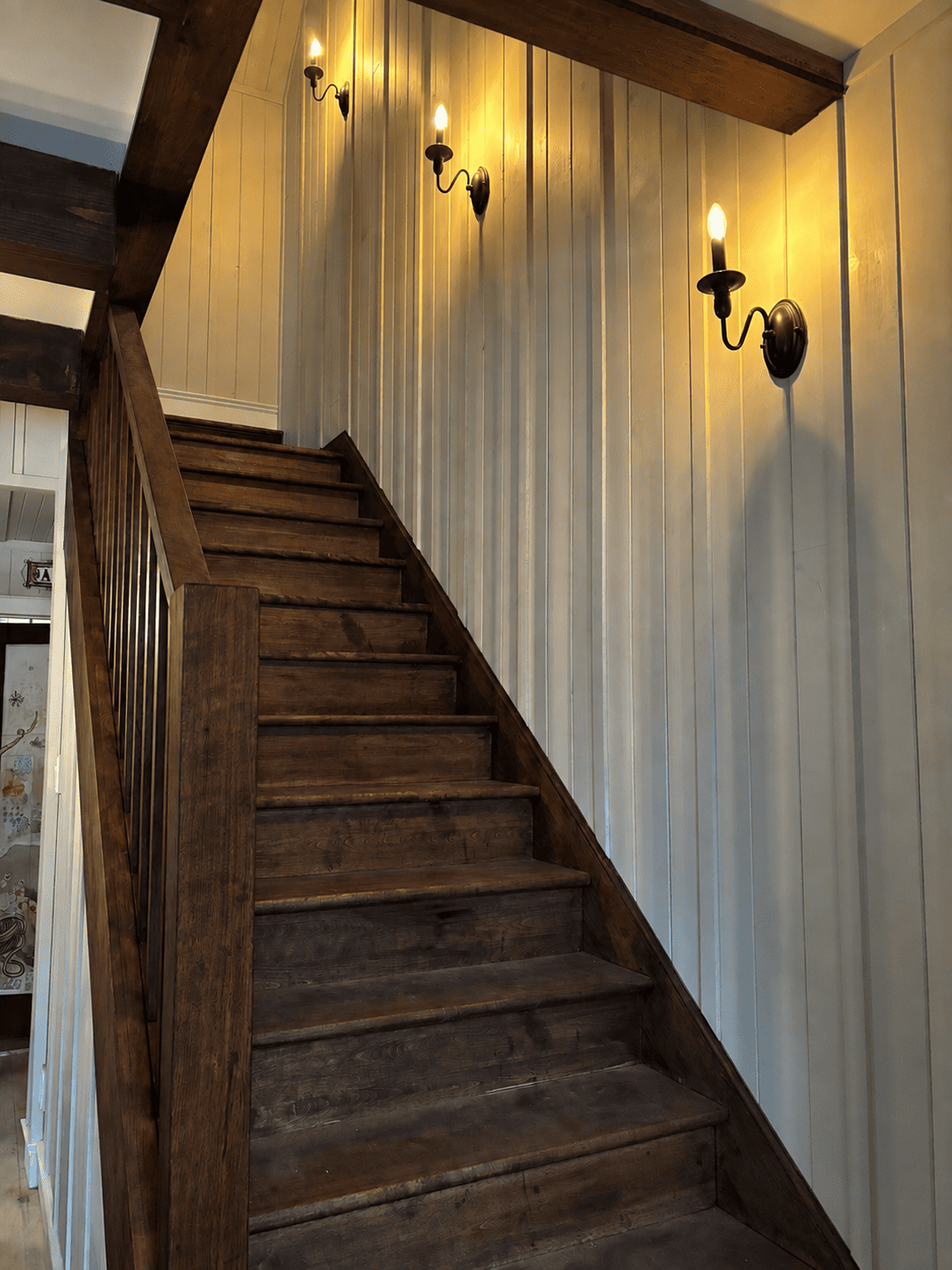
When people picture a renovation, they usually think about what they'll see. New floors, a new kitchen, a fresh coat of paint. Those things matter, and they're fun to choose.
But once a project is finished and our clients have lived in their home for a while, what they talk about most is often something else. It's how the house feels to live in. Warmer rooms, outlets right where they need them, lights they can actually dim.
These upgrades don't always make it into the photos, but they change everyday life in an old house more than almost anything else.
A house that stays warm
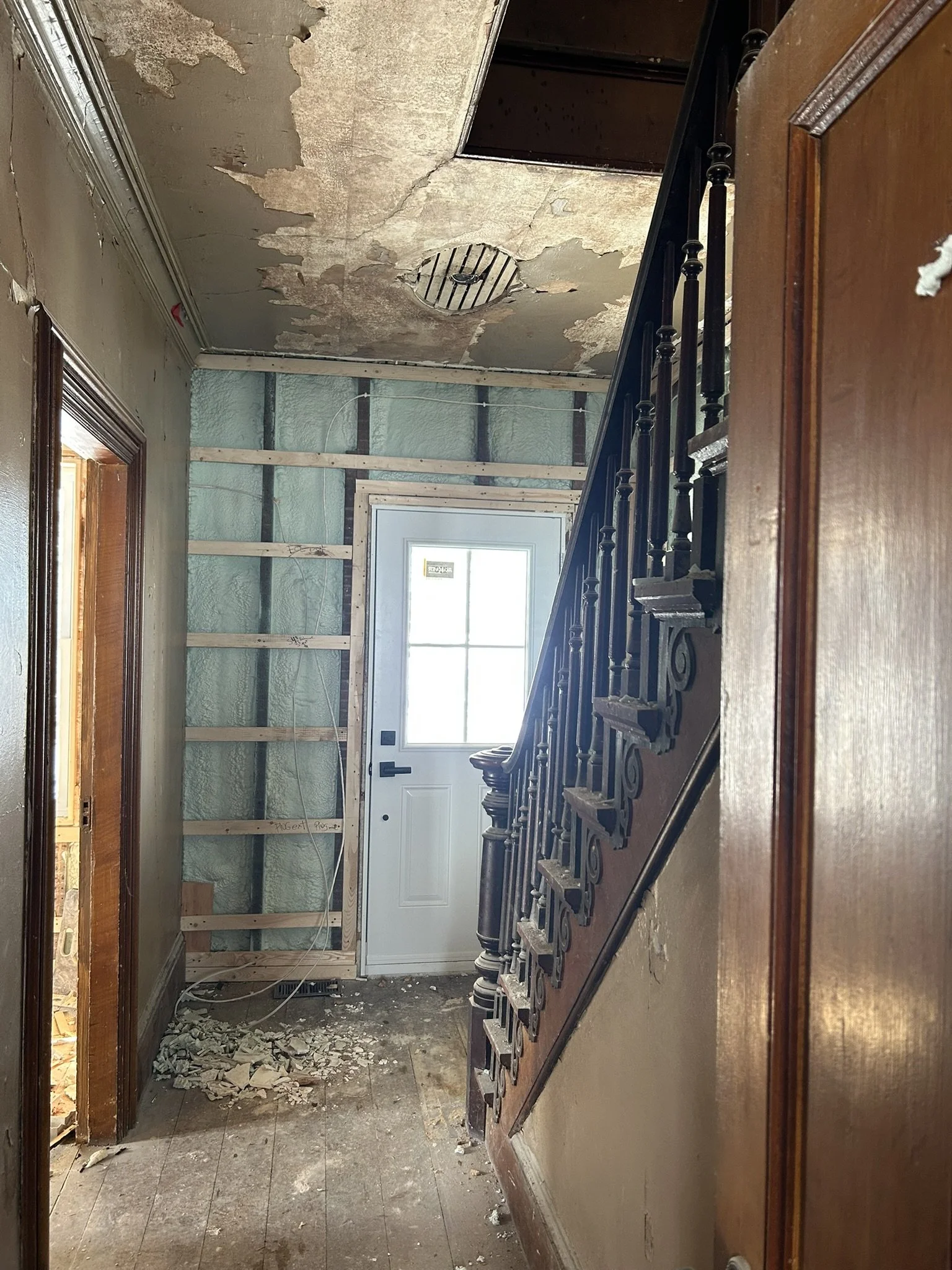
Many century homes were built long before insulation was standard. Drafty windows, cold floors and rooms nobody wants to sit in come January are all part of living in an old house, until they don't have to be.
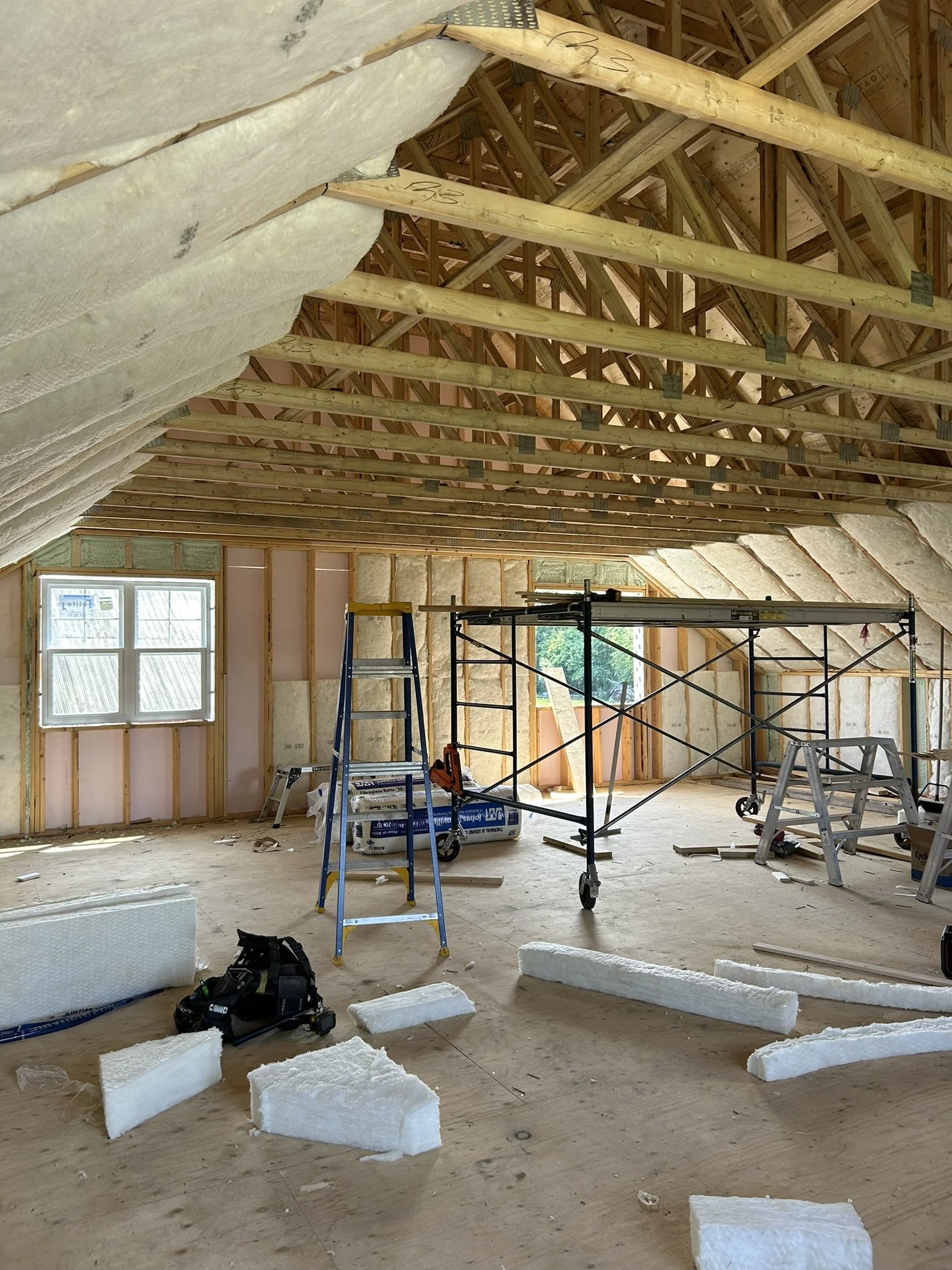
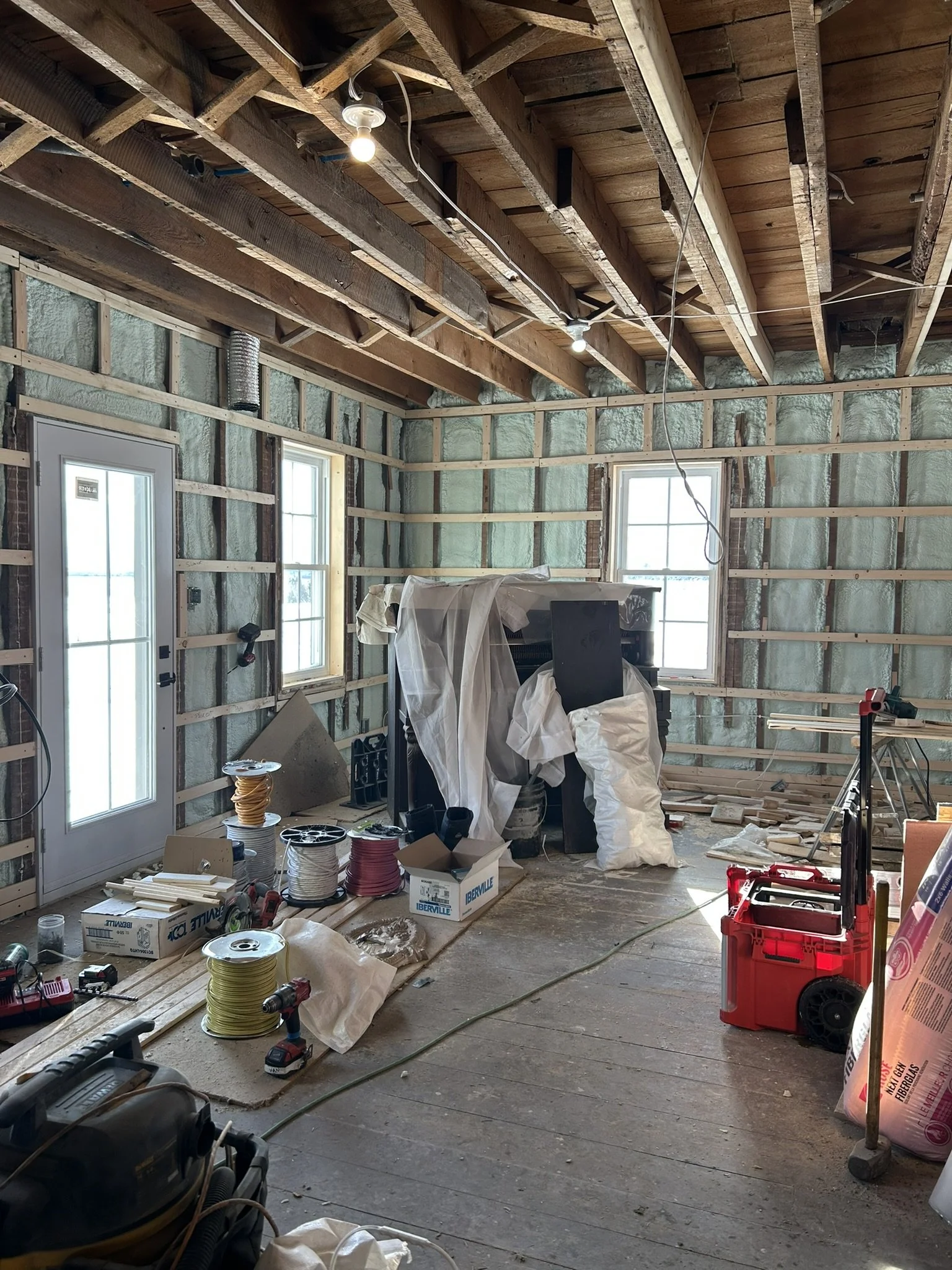
When walls are opened up during a renovation, it's the right moment to insulate. It's not the most exciting part of the budget, but it's often the one clients thank us for later. A room that stays comfortable all winter gets used, and that changes how the whole house works.
Insulating an old house needs to be done thoughtfully, with trades who understand older construction, so the house stays healthy for years to come.
Heated floors in the bathroom
Picture a February morning. It's still dark out, there's frost on the windows, and you step out of bed and into the bathroom onto a warm tile floor.
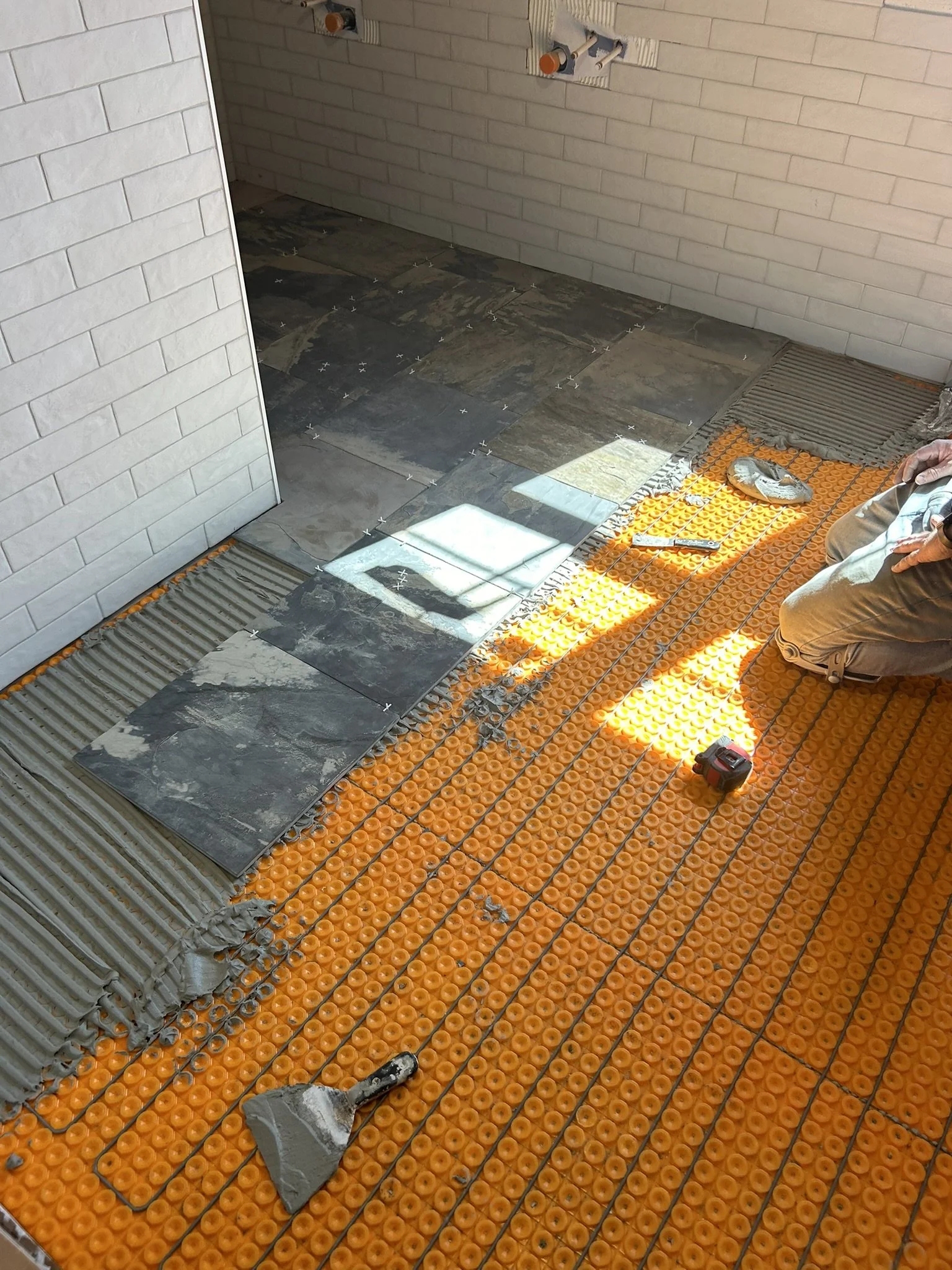
That's what heated floors do, and clients who have them tend to say they'd never go back. We often use an electric system, a thin heating cable laid right under the tile. It adds very little height to the floor, which matters in an old house, and it runs on a thermostat you can set so the floor is already warm when you wake up.
When a shower has a custom tile base, we often heat that too. Yes, it's a little luxury, but it also has a practical side. A warm shower floor dries faster between uses, which means less moisture sitting in the grout and less chance of mildew.
Outlets where you actually need them
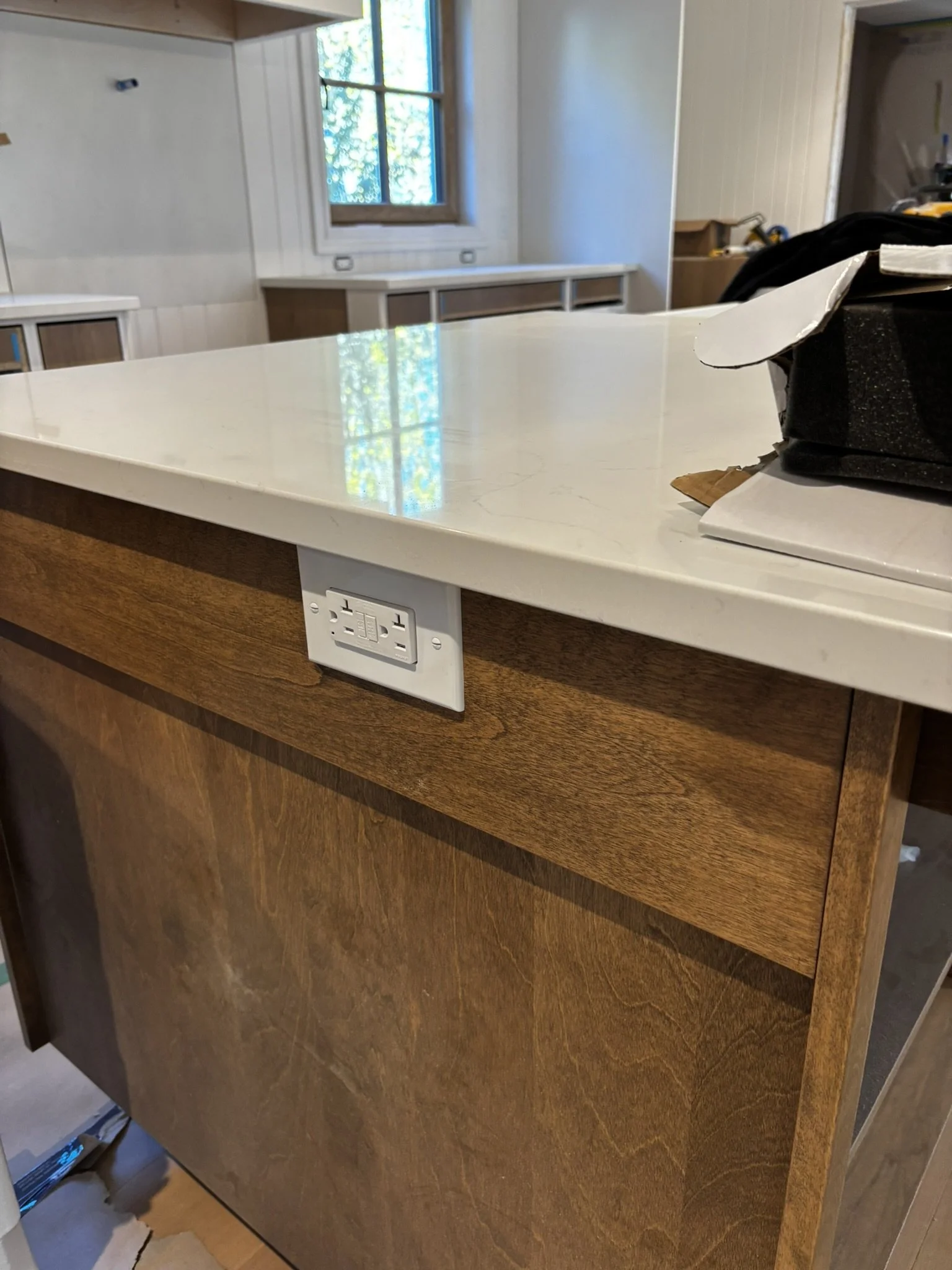
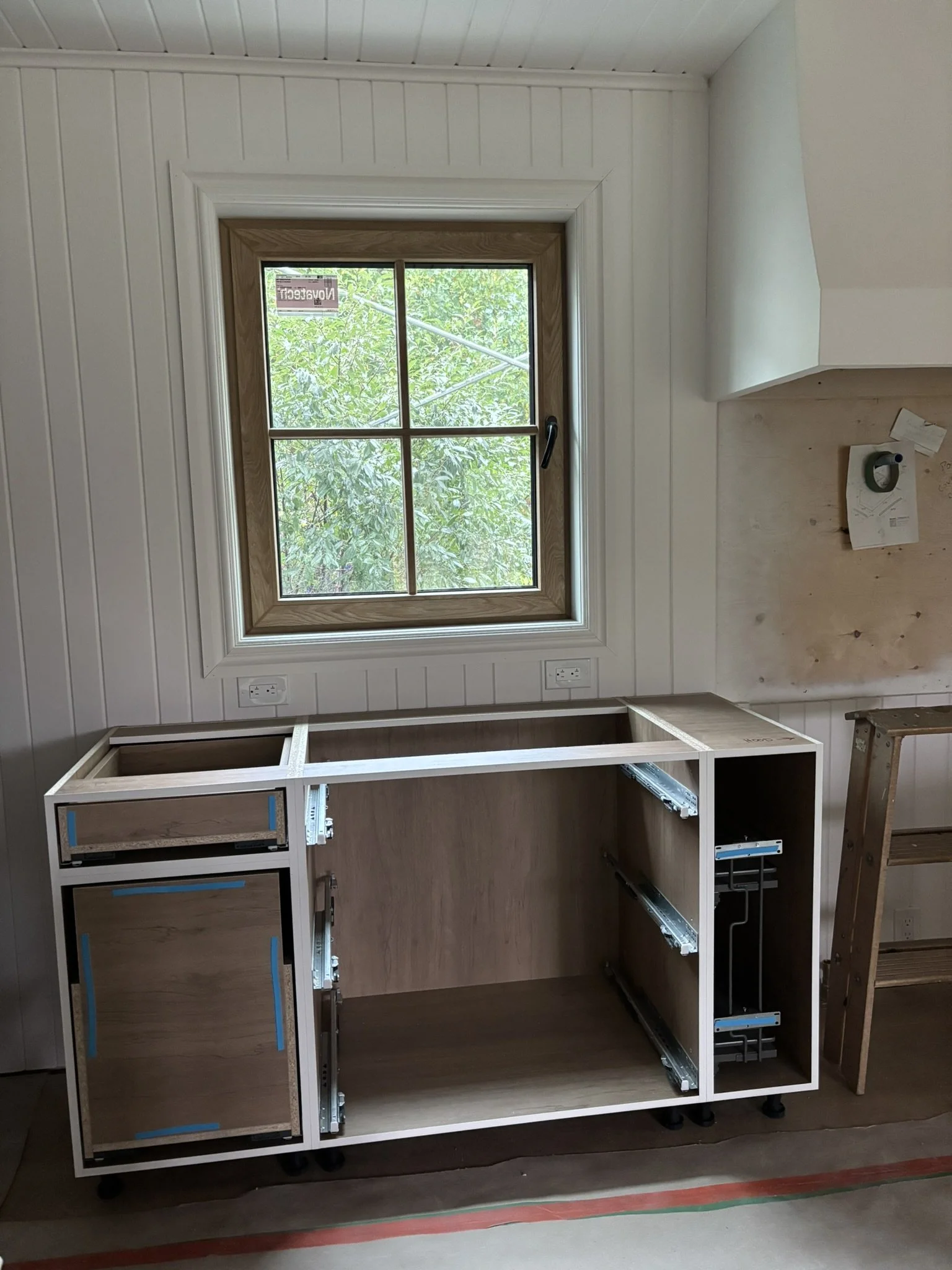
Older homes often have only one or two outlets per room, and not always in useful places. That usually means lamps placed wherever there happens to be power, and extension cords running along the baseboards to reach the rest.
No more extension cords. If you know, you know.
During a renovation, we look at how each room will really be used. Where does the bedside table go? Where will your reading lamp sit? Is there an outlet by the vanity for a hairdryer, or at the kitchen island for a mixer?
Planning this properly is a small detail with a big payoff. It's the kind of thing you stop noticing once it's done right, and that's the point.
Lights on a dimmer
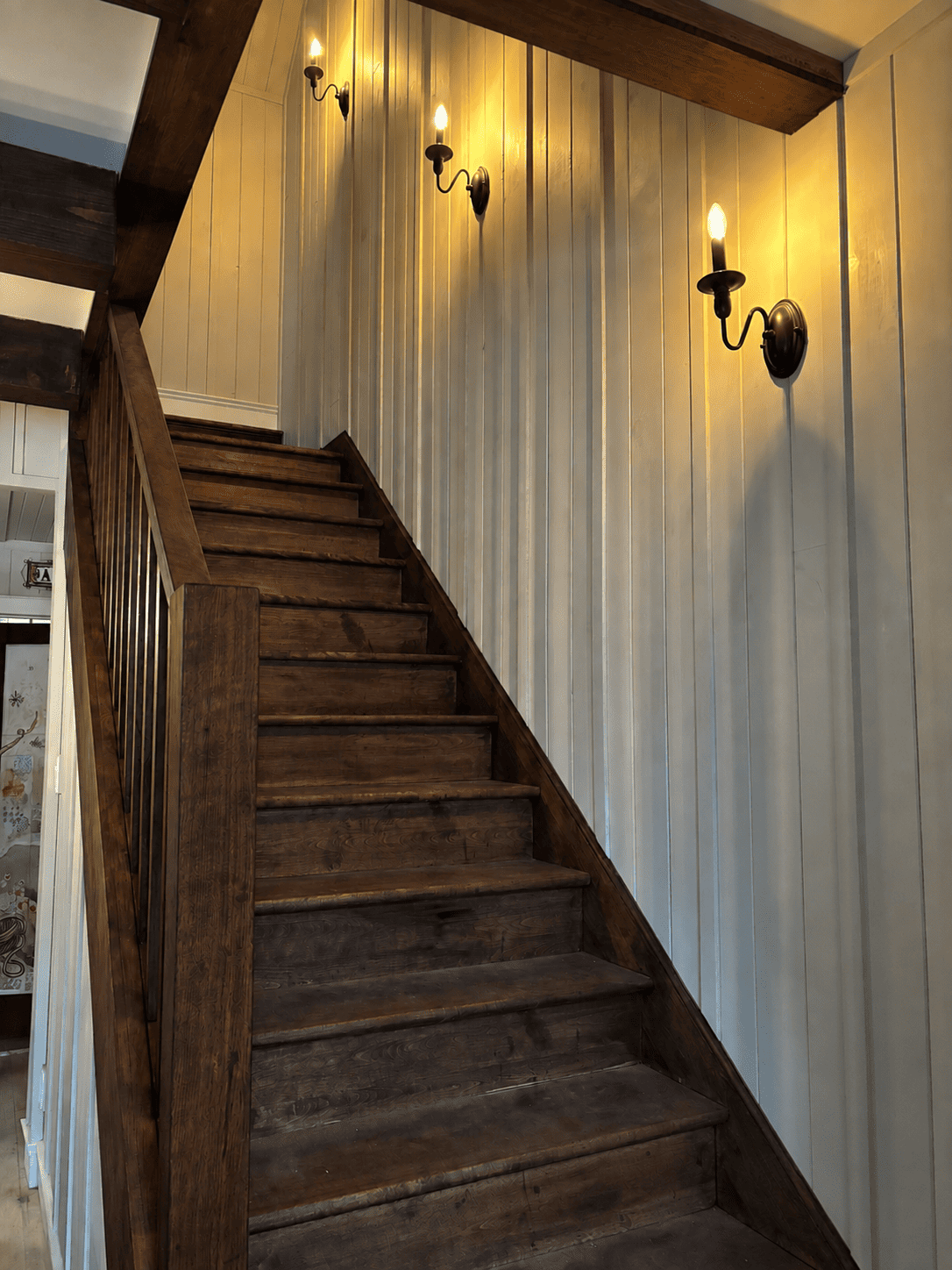
In a lot of old homes, some rooms and hallways have no fixed lighting at all, just lamps. Lamps are lovely, but on a dark November afternoon, a room lit only by one or two of them can feel dim and uninviting.
Adding ceiling lights or wall sconces on a dimmer gives you options. Bright when you're cooking or cleaning, low and warm in the evening. We choose fixtures that suit the age and style of the house, so the new lighting looks like it belongs.
Why these need to be planned early
Insulation, wiring and lighting all live inside the walls and ceilings. They need to be decided before anything gets closed up and finished, which is why we talk about them early in the design process, long before we get to paint colours and furniture. It's also a big part of why a renovation needs a designer, not just a contractor.
It's also why a renovation is the best time to do them. Adding outlets or insulation later usually means opening up finished walls all over again.
Where to start
If you're planning a renovation in your century home, make a list of the small daily frustrations along with the big wishes. The cold corner of the living room, the one outlet in the bedroom, the room you avoid after dark. Those notes are just as useful to us as your inspiration photos.
If you're just starting to think about a renovation, our Century Home Design Guide is a good first step. And if you're ready to talk about your home, we'd love to hear about it. Inquire about your project here.